L’école Communale D’Aubange Trials LiFi Technology In Their Classrooms

Table of Contents

    L’école Communale D’Aubange Trials LiFi Technology In Their Classrooms
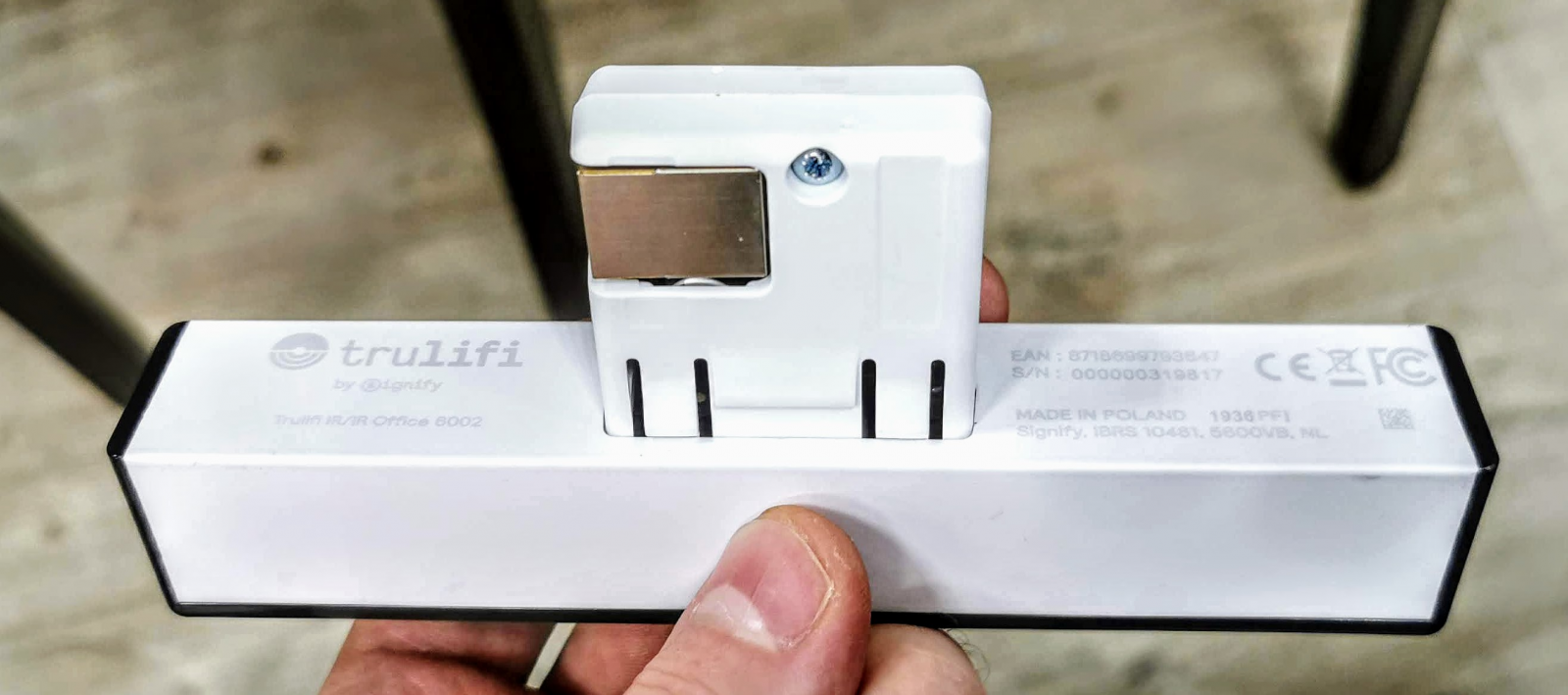
    Trulifi 6002 transceiver - Photo Credit to mobilegeeks

    L’école Communale D’Aubange

    Students from the L’école Communale D’Aubange were able to test LiFi technology in their classrooms.

    Several Walloon and Brussels schools already have it. Close to a light source, it can transmit information. For LiFi to work, you have to install infrared access points on the ceiling connected to the LED bulbs and LiFi receivers (LiFi USB Dongles) on each tablet. Cédric Gelpi of LiFi solutions ASBL states the following: "It's faster, more stable and more secure, but it also consumes less energy than WiFi".

    Convinced students

    The students have to get to grips with the technology but in the end, it doesn't change their habits so much with WiFi, but they seem convinced:We can work in another way and it's better for our health ", " With WIFI, waves are not good for our body. LiFi is by light and therefore it is better for us ", adds another student. In any case, the mayor of Aubange François Kinard also seems won over: " We would like to develop the technology on a larger scale in the territory after this first test". In administration buildings, schools or even through public lighting, there are many possibilities for installing LiFi technology. Four schools are already using the system, installed by the non-profit organization LIFI solution in Wallonia.
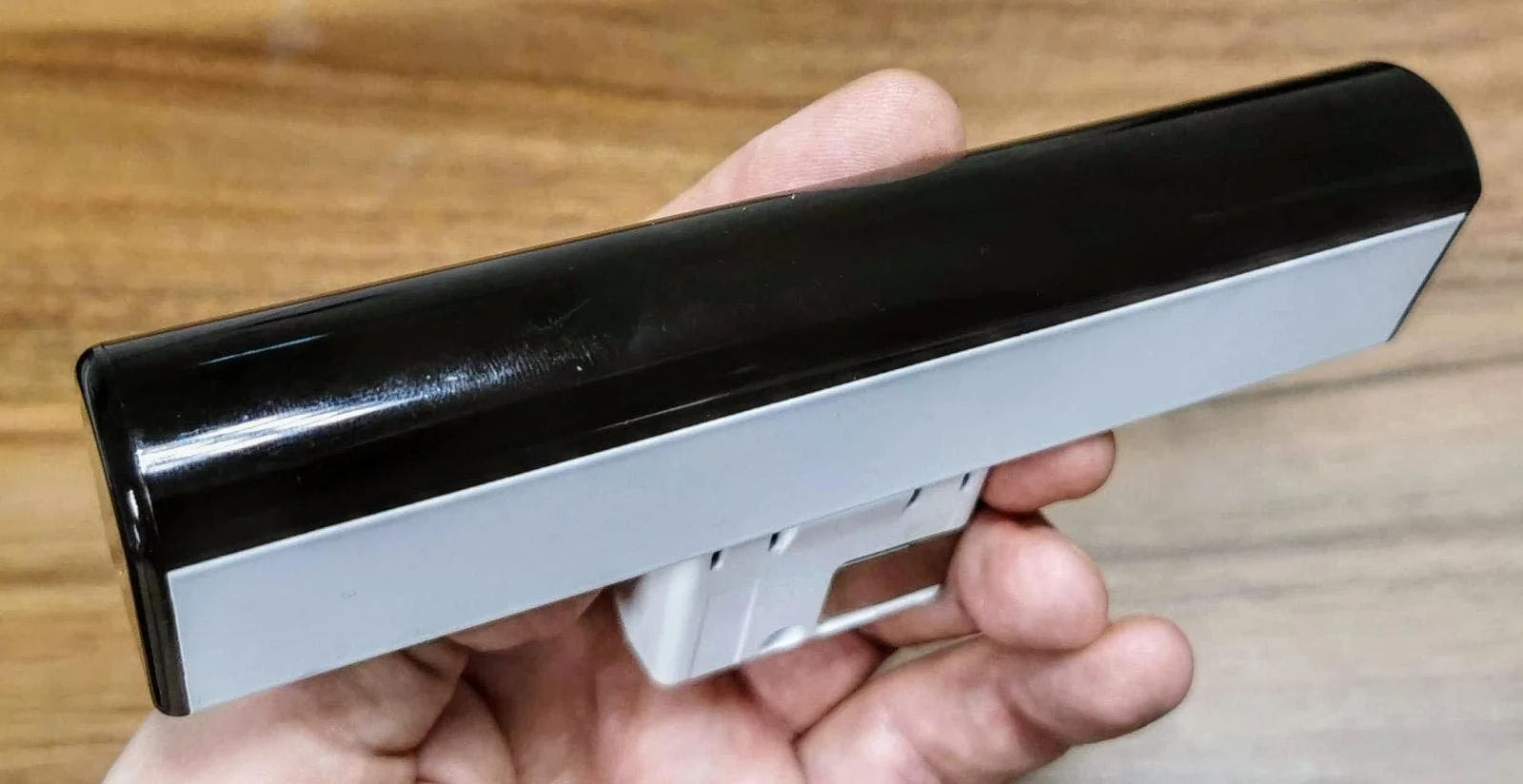
    Trulifi 6002 transceiver - Photo Credit to mobilegeeks

    Article source: https://www.rtbf.be/article/une-ecole-daubange-teste-la-technologie-lifi-une-connexion-numerique-grace-a-la-lumiere-10968775

    LIFI SOLUTIONS ASBL

    LiFi Solutions ASBL offers a comprehensive approach that includes support for the purchase and installation of LiFi equipment in schools or any other establishment and the supply of connected tablets. LiFi Solutions ASBL have a partnership with Signify to bring LiFi kits in classrooms.

    According to their website, LiFi Solutions ASBL states that they have installed LiFi equipment in Classrooms in Wanze, Flobecq, Uccle and Aubange.

    Wanze 

    We were the first in Belgium to believe in this new technology which protects our students and our teachers from the potentially harmful waves of WIFI.

    In 2019, we installed our first pilot school in LIFI (Bas-Oha) and are in the process of thinking about the complete deployment of a class in order to put the students in the right conditions to test all the advantages of this technology” explains Christophe Lacroix , Mayor of Wanze 

    Brussels

     “Our school offers specialized mixed secondary education. As Director, I attach particular importance to the quality of our infrastructures, in terms of functionality, safety, ergonomics and environment. When the company Aromatik Studio from Nivelles offered to test Signify's LIFI solution in one of our classrooms in Uccle, without any form of commitment, we didn't hesitate for a second! A stable and secure Internet connection is essential in class, since some students are already using connected interactive tablets. This technology would also allow us to avoid having to subject our students to potentially harmful waves, as could be the case with WIFI,” explains C Watterman, General Manager of Groupe La Cime.

    Flobecq


    We are particularly grateful and proud to be able to test the use of this new technology that is Li-Fi from Signify in our establishment. Today's digital development is an integral part of learning tools, but the harmlessness of its devices is often questioned. In this context, Li-Fi, which is a non-invasive technology, has the notable quality of not producing any electromagnetic waves potentially harmful to children's health,” explains Damien Rubay, School Director at Flobecq.

    The online learning tools available today offer students and teachers access to many educational modules all over the world; these are essential to achieve our objective: to help our students to master and use the various tools correctly and safely (tablets, laptops) and to support them within the framework of the “digital school” project. It is very important for the schools in our municipality to have innovative, powerful, stable connection solutions adapted to the needs of the schools,” explains Philippe Mettens, Mayor of Flobecq. 

    What is LiFi?

    LiFi, also known as "Light Fidelity" is a wireless optical networking technology, which uses light-emitting diodes (LEDs) to transmit data. In 2011, professor Harald Haas made a LiFi demonstration at the TED (Technology, Entertainment, Design) Global Talk on Visible Light Communication (VLC).

    VLC uses light as a medium to deliver high-speed communication like Wi-Fi and complies with the IEEE standard IEEE 802.15.7. The IEEE 802.15.7 is a high-speed, bidirectional, and fully networked wireless communication technology-based standard similar to Wi-Fi's IEEE 802.11.

    How does LiFi work?

    LiFi is a high speed, bidirectional, and fully networked wireless communication of data using light. LiFi constitutes of several light bulbs that form a wireless network.

    When an electrical current goes through to a LED light bulb, a stream of light (photons) emits from the lamp. LED bulbs are semiconductor devices, which means that the brightness of the light flowing through them can change at extremely high speeds. The signal is sent by modulating the light at different rates. The signal can then be received by a detector that interprets the changes in light intensity (the signal) as data. Also when the LED is ON, you transmit a digital 1, and when it is OFF, you transmit a 0.

    LiFi Benefits

    The primary benefits of LiFi are as follows:

    Security: Provides entirely secure access. Where there is no light there is no data.

    Safety: Does not produce electromagnetic radiation and does not interfere with existing electronic systems.

    Localisation: Allows localisation due to the small coverage area of LiFi access point - localisation can be used for very precise asset tracking.

    Data density: Provides ubiquitous high-speed wireless access that offers substantially greater data density (data rate per unit area) than RF through high bandwidth reuse.

    Credit to Oledcomm

    LiFi Applications

    LiFi can be used for so many applications and the list is increasing every year. You can read our updated list of Li-Fi applications at the following link:

    https://www.lifitn.com/blog/2021/2/13/top-30-li-fi-applications-updated-list-including-potential-applications

    Credit to pureLiFi

    In conclusion, if you are also interested to hear more information about the OWNII Coin or enquire about LiFi devices such as the LiFiMax and Trulifi, you can contact us through our chatbot or by sending an email through our contact us form. If you enjoyed this post and would like to hear more updates about LiFi technology, subscribe to our newsletter. Don’t forget to subscribe to our social media accounts. You can also join our Telegram group about LiFi technology on this link:

    https://t.me/joinchat/FMzOmsEKyJFrU6Af


    Certification of The First G.hn Embedded Module for Industrial IoT By HomeGrid Forum With Teleconnect

    Table of Contents

      Certification of The First G.hn Embedded Module for Industrial IoT By HomeGrid Forum With Teleconnect

      Certification of The GHN.SOM.PLC Module

      HomeGrid Forum recently announced on its website that they have certified its first G.hn solution for Industrial Internet of Things (IIoT) applications as G.hn technology continues to bridge the gap between telecom-optimized systems and the demand for fast connectivity in industrial settings.

      The certification of the GHN.SOM.PLC module, a powerful small form factor and retrofit solution from member company Teleconnect, ensures the high performance of IIoT and connected devices through MIMO-enabled powerline communications.

      Machine-to-machine communication and process automation require more than ever stable, robust and fast connectivity to operate and work efficiently, with no downtime.
      The uptake in productivity, efficiency and safety need to strongly rely on agile control, self-healing capabilities and real-time synchronization of industrial devices, placing G.hn as core to manufacturers’ digital transformation,
      ” said HomeGrid Forum President Livia Rosu. “This certification marks an exciting new milestone for G.hn IIoT use cases, including autonomous mobile robots, smart sensors, AR/VR, smart lifting, smart parking systems control, smart buildings entry-door access control, safety control and factory automation. G.hn technology modules are now  embedded into smart manufacturing infrastructure networks to provide the resilience needed by highly performant industrial plants.”

      G.hn works seamlessly through existing wiring to provide low latency connectivity that is suitable for handling two-way, high bandwidth and real-time traffic, including environmental sensors and video surveillance. HomeGrid Forum has recently set up a new Task Force, co-chaired by Alexandre Schäfer, Head of Sales, and Philipp Rietzsch, Head of R&D, at Teleconnect, to drive G.hn innovation and deployments for IIoT applications.

      Schäfer stated that “G.hn has significantly boosted industrial networks with adaptive data rates of up to 1.8 Gbps over different media, from powerline to telephone wiring and coax cables. It has also proven to be the most reliable backbone for visible light communications, such as LiFi. Now, the certification of GHN.SOM.PLC means that the industry can be confident in the module’s interoperability to other G.hn chipsets and devices.

      HomeGrid Forum G.hn testing ensures that commercially available solutions comply with ITU-T G.hn standards and the interoperability and performance requirements set out in the HomeGrid Forum Certification Test Plans.

      Rietzsch further emphasized that “The certification is a significant milestone as there is now a verified G.hn solution for industrial environments that offers best-in-class connectivity and robustness. With the newly formed Industrial IoT Task Force, this certification is just the start of new G.hn solutions portfolio that opens exciting opportunities for industrial settings. Our mission is to help create a sustainable competitive advantage with most machines connected to improve efficiency and reduce cost.”

      HomeGrid Forum

      According to their website, HomeGrid Forum (HGF) is an industry alliance formed to support the development and deployment of a unified coaxial, phone line, powerline, and plastic optical fibre home networking technology called G.hn (Gigabit Home Networking). G.hn technology is based on standards developed by the UN’s International Telecommunications Union – Telecom (ITU-T) standards development organization.

      HomeGrid Certification ensures compliance and interoperability (C&I) of silicon and systems through plugfests and rigorous C&I testing. A logo is issued for certified systems’ packaging and documentation of G.hn-based systems. HGF Certification ensures that retail customers and Service Providers have confidence in, and great satisfaction with all HGF G.hn Certified Certified products.

      HomeGrid Forum members comprise an eco-system covering all aspects of the technology from Retailers to Service Providers, Utilities to Smart Grid think tanks, System Developers to Test Houses and Silicon Companies.

      HomeGrid currently has four workgroups: a Clean Tech/Smart Grid/Smart Energy workgroup focused on in-home energy management and utility Distribution Automation and AMI applications for G.hn, a G.hn Contributions workgroup that continuously works to develop advanced enhancements for wired home networking, a Compliance & Interoperability workgroup, and a Marketing workgroup focused on promoting all HomeGrid Certified Products and technologies.

      The purpose of HomeGrid Forum is to:

      • Lead the work within the ITU-T to continuously expand G.hn, through a sustained effort to improve and extend this advanced home networking technology for any in-home wiring (coaxial cable, phone line, powerline and plastic optical fiber).

      • Encourage and evangelize the adoption and widespread deployments of G.hn by Service Providers and through Retail channels.

      • Provide a clear migration path for all legacy wired technologies to G.hn, where coexistence and G.hn’s ability to work over any wire type enables Service Providers to extend the life of their existing network investments while increasing coverage, robustness, and throughput in the home.

      • Maintain a comprehensive compliance and interoperability program to promote an ecosystem of compliant silicon and interoperable products based on the ITU-T G.hn standards.


      Article source: https://homegridforum.org/2021/12/06/a-new-leadership-team-for-homegrid-forum-as-it-announces-five-task-forces-to-drive-g-hn-innovation-and-deployments/

      What is LiFi?

      LiFi, also known as "Light Fidelity" is a wireless optical networking technology, which uses light-emitting diodes (LEDs) to transmit data. In 2011, professor Harald Haas made a LiFi demonstration at the TED (Technology, Entertainment, Design) Global Talk on Visible Light Communication (VLC).

      VLC uses light as a medium to deliver high-speed communication like Wi-Fi and complies with the IEEE standard IEEE 802.15.7. The IEEE 802.15.7 is a high-speed, bidirectional, and fully networked wireless communication technology-based standard similar to Wi-Fi's IEEE 802.11.

      How does LiFi work?

      LiFi is a high speed, bidirectional, and fully networked wireless communication of data using light. LiFi constitutes of several light bulbs that form a wireless network.

      When an electrical current goes through to a LED light bulb, a stream of light (photons) emits from the lamp. LED bulbs are semiconductor devices, which means that the brightness of the light flowing through them can change at extremely high speeds. The signal is sent by modulating the light at different rates. The signal can then be received by a detector that interprets the changes in light intensity (the signal) as data. Also when the LED is ON, you transmit a digital 1, and when it is OFF, you transmit a 0.

      LiFi Benefits

      The primary benefits of LiFi are as follows:

      Security: Provides entirely secure access. Where there is no light there is no data.

      Safety: Does not produce electromagnetic radiation and does not interfere with existing electronic systems.

      Localisation: Allows localisation due to the small coverage area of LiFi access point - localisation can be used for very precise asset tracking.

      Data density: Provides ubiquitous high-speed wireless access that offers substantially greater data density (data rate per unit area) than RF through high bandwidth reuse.

      Credit to Oledcomm

      LiFi Applications

      LiFi can be used for so many applications and the list is increasing every year. You can read our updated list of Li-Fi applications at the following link:

      https://www.lifitn.com/blog/2021/2/13/top-30-li-fi-applications-updated-list-including-potential-applications

      Credit to pureLiFi

      In conclusion, if you are also interested to hear more information about the OWNII Coin or enquire about LiFi devices such as the LiFiMax and Trulifi, you can contact us through our chatbot or by sending an email through our contact us form. If you enjoyed this post and would like to hear more updates about LiFi technology, subscribe to our newsletter. Don’t forget to subscribe to our social media accounts. You can also join our Telegram group about LiFi technology on this link:

      https://t.me/joinchat/FMzOmsEKyJFrU6Af
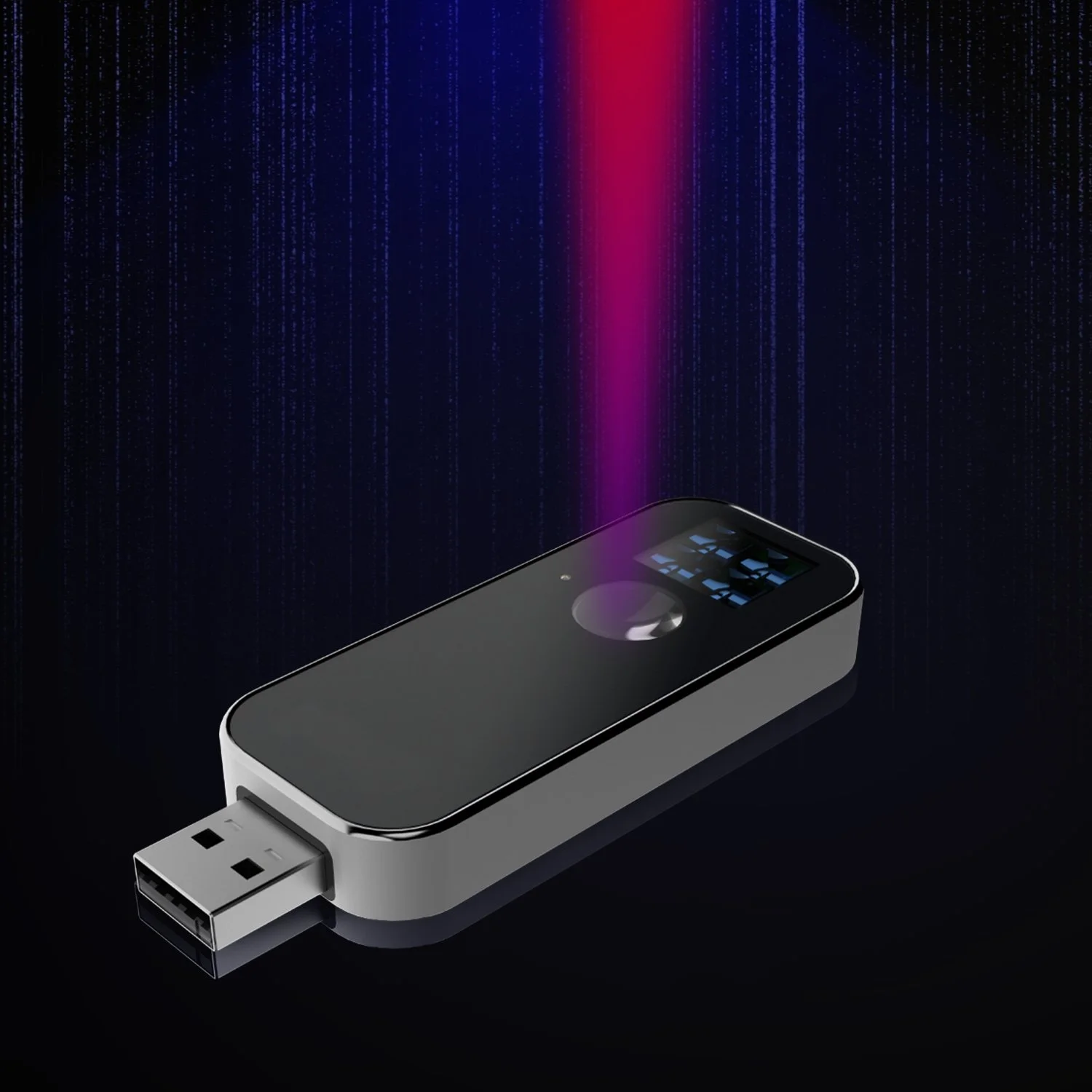

      Fraunhofer HHI Will Present Their All Optical Fibre LiFi System At The Optical Networking and Communication Conference (OFC) 2022

      Fraunhofer HHI Will Present Their All Optical Fibre LiFi System At The Optical Networking and Communication Conference (OFC) 2022

      Fraunhofer HHI

      Last week, Fraunhoferr HHI released a press statement that they will present their All-Optical-Fibre LiFi System at the Optical Networking and Communication Conference (OFC) 2022. Their All-Optical LiFi System comprises of an Ethernet-coupled central unit, with the modem and the selection combiner, one step-index POF each for up to eight optical front ends, the optical wireless link and a set of USB-LiFi dongles.

      They stated the following in their statement:

      “Optical wireless communication, also called LiFi, is an interesting alternative for mobile communication via light. LiFi is considered as a promising technology for mobile indoor connectivity where the unlicensed optical spectrum is used. Light is better confined within a room compared to radio and safer against unauthorized access as well as jamming. It is well suited for the use in challenging environments like industrial or medical applications, due to the robustness regarding electromagnetic interferences and the absence of radio radiation.

      Since the connection of the LiFi access points can also be a target of interference, Fraunhofer HHI developed an all-optical LiFi system using polymer optical fiber (POF) for networking multiple access points (APs) rather than copper wiring. The use of multiple APs improves coverage and adds spatial diversity to overcome possible blockages of the line-of-sight. Moreover, a new selection combiner is introduced, enabling the deployment of larger numbers of distributed APs with negligible performance loss. The new combiner supports up to eight LiFi access points, allowing for a coverage up to 50 m². In this area, mobile Internet access is possible via the light at Gbit/s data rates for multiple users. The modular approach allows higher flexibility for covering specialty applications, like manufacturing halls and operation theaters, with reliable high-speed wireless connectivity."

      Fraunhofer HHI has more than 20 years of experience on indoor LiFi systems and provides compact LiFi modules for immediate industrial prototyping and field tests”.


      The Fraunhofer , Heinrich Hertz Institute, HHI, also known as Fraunhofer HHI or Fraunhofer Heinrich Hertz Institute, is an organisation of the Fraunhofer Society based in Berlin. The institute engages in applied research and development in the fields of physics, electrical engineering and computer sciences.

      The Fraunhofer Heinrich Hertz Institute develops mobile and stationary broadband communication networks and multimedia systems. Focal points of independent and contract research conducted by Fraunhofer HHI are photonic components and systems, fiber optic sensor systems, and image signal processing and transmission. Future applications for broadband networks are developed as well. Research in this area focuses on 3D displays, UHD panorama video production, human-machine interaction through gesture control, optical satellite communication and data transmission technologies such as visible light communications.

      The Optical Networking and Communication Conference (OFC)

      The Optical Networking and Communication Conference and Exposition (OFC) is the largest international event for latest advances in telecom and data center optics. The conference includes technical sessions, short courses, workshops, and panel discussions that focus on the newest research and developments as well as the latest applications.

      For over 40 years, OFC has drawn attendees from all corners of the globe to meet and greet, teach and learn, make connections and move business forward.

      OFC attracts the biggest names in the field, offers key networking and partnering opportunities, and provides insights and inspiration on the major trends and technology advances affecting the industry. From technical presentations to the latest market trends and predictions, OFC is a one-stop-shop.

      The OFC 2022 will end on Thursday 10th March 2022

      What is LiFi?

      Li-Fi, also known as "Light Fidelity" is a wireless optical networking technology, which uses light-emitting diodes (LEDs) to transmit data. In 2011, professor Harald Haas made a LiFi demonstration at the TED (Technology, Entertainment, Design) Global Talk on Visible Light Communication (VLC).

      VLC uses light as a medium to deliver high-speed communication like Wi-Fi and complies with the IEEE standard IEEE 802.15.7. The IEEE 802.15.7 is a high-speed, bidirectional, and fully networked wireless communication technology-based standard similar to Wi-Fi's IEEE 802.11.

      How does LiFi work?

      LiFi is a high speed, bidirectional, and fully networked wireless communication of data using light. LiFi constitutes of several light bulbs that form a wireless network.

      When an electrical current goes through to a LED light bulb, a stream of light (photons) emits from the lamp. LED bulbs are semiconductor devices, which means that the brightness of the light flowing through them can change at extremely high speeds. The signal is sent by modulating the light at different rates. The signal can then be received by a detector that interprets the changes in light intensity (the signal) as data. Also when the LED is ON, you transmit a digital 1, and when it is OFF, you transmit a 0.

      LiFi Benefits

      The primary benefits of LiFi are as follows:

      Security: Provides entirely secure access. Where there is no light there is no data.

      Safety: Does not produce electromagnetic radiation and does not interfere with existing electronic systems.

      Localisation: Allows localisation due to the small coverage area of LiFi access point - localisation can be used for very precise asset tracking.

      Data density: Provides ubiquitous high-speed wireless access that offers substantially greater data density (data rate per unit area) than RF through high bandwidth reuse.

      Credit to Signify

      LiFi Applications

      LiFi can be used for so many applications and the list is increasing every year. You can read our updated list of LiFi applications at the following link:

      https://www.lifitn.com/blog/2021/2/13/top-30-li-fi-applications-updated-list-including-potential-applications

      Credit to pureLiFi

      In conclusion, if you are also interested to hear more information about the OWNII Coin, investing in it, or enquire about Li-Fi devices such as the LiFiMax and Trulifi, you can contact us through our chatbot or by sending an email through our contact us form. If you enjoyed this post and would like to hear more updates about Li-Fi technology, subscribe to our newsletter. Don’t forget to subscribe to our social media accounts. You can also join our Telegram group about Li-Fi technology on this link:

      https://t.me/joinchat/FMzOmsEKyJFrU6Af


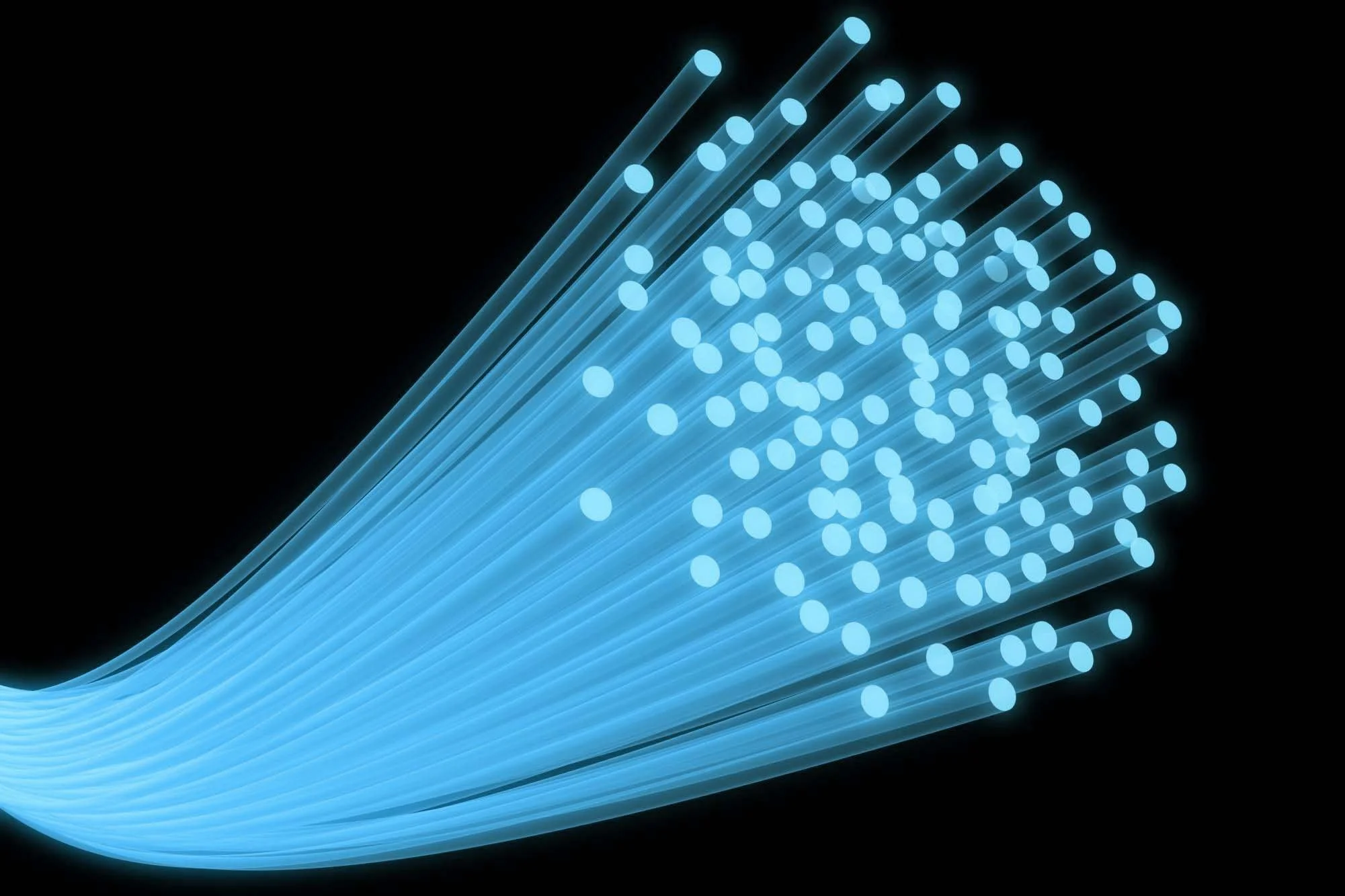
      pureLiFi Demonstrated Their Next LiFi System For The Home At Mobile World Congress (MWC) in Barcelona

      pureLiFi Demonstrated Their Next LiFi System For The Home At Mobile World Congress (MWC) in Barcelona

      Photo credit: pureLiFi

      pureLiFi

      pureLiFi develops technology for communication networks that integrates data and lighting utility infrastructures. It offers a LiFi enabled device that converts the beam of lights into an electrical signal. The signal is then converted back into data. The company was founded in 2012 and is headquartered in Edinburgh.

      pureLiFi demonstrated the next LiFi system for the home at Mobile World Congress (MWC) in Barcelona. pureLiFi stated that this is the world’s first LiFi ecosystem for the consumer market, named LiFi@Home™.

      pureLiFi CEO, Alistair Banham stated the following:

      The door is open for LiFi to fill the gap. LiFi is the key to unlocking the next generation of connected experiences in an ecosystem where WiFi and 5G alone are not enough. What we’ve demonstrated here for the first time is how simple it is to bring LiFi into consumer environments. We’ve done all the hard work to make LiFi easy to integrate and simple to get started.”   

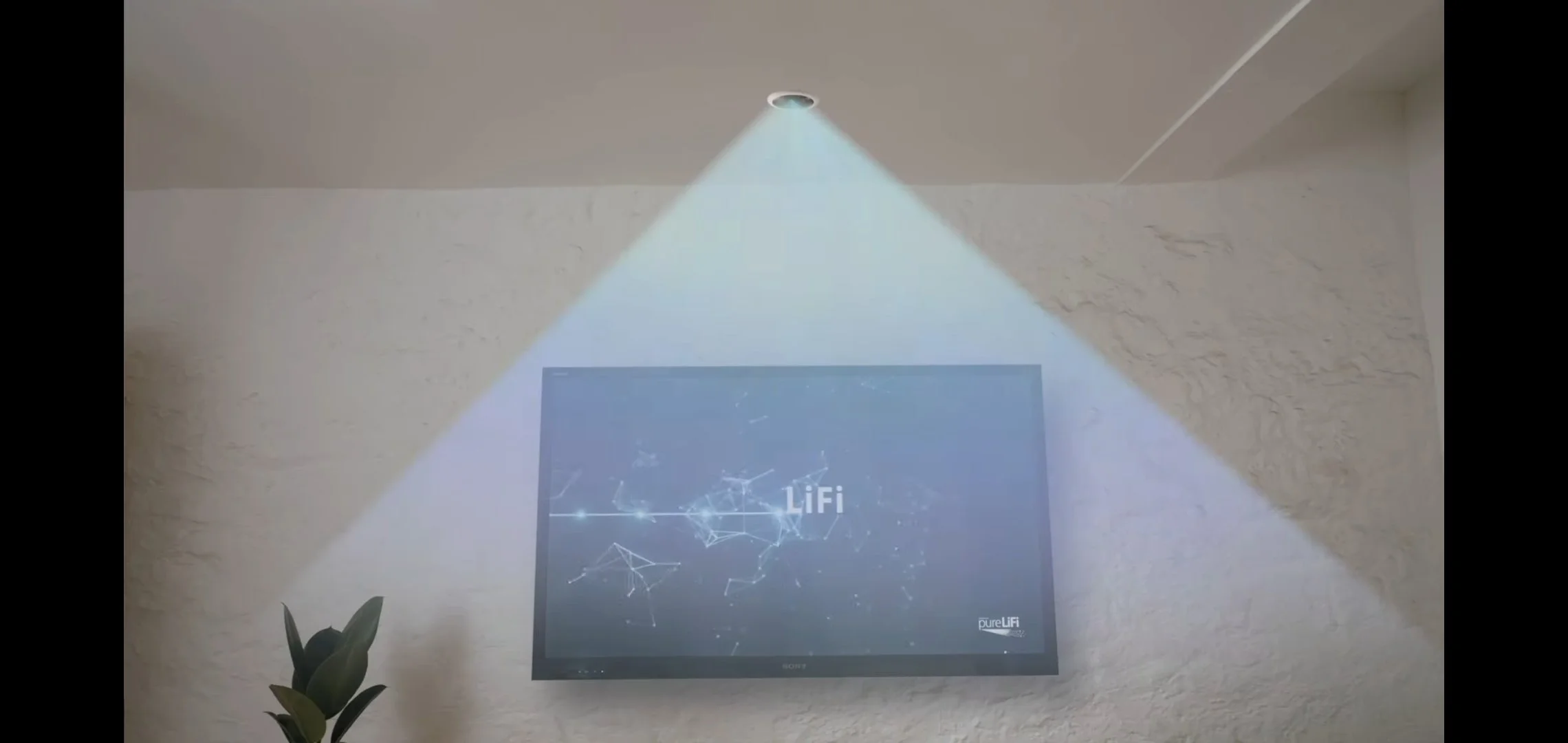
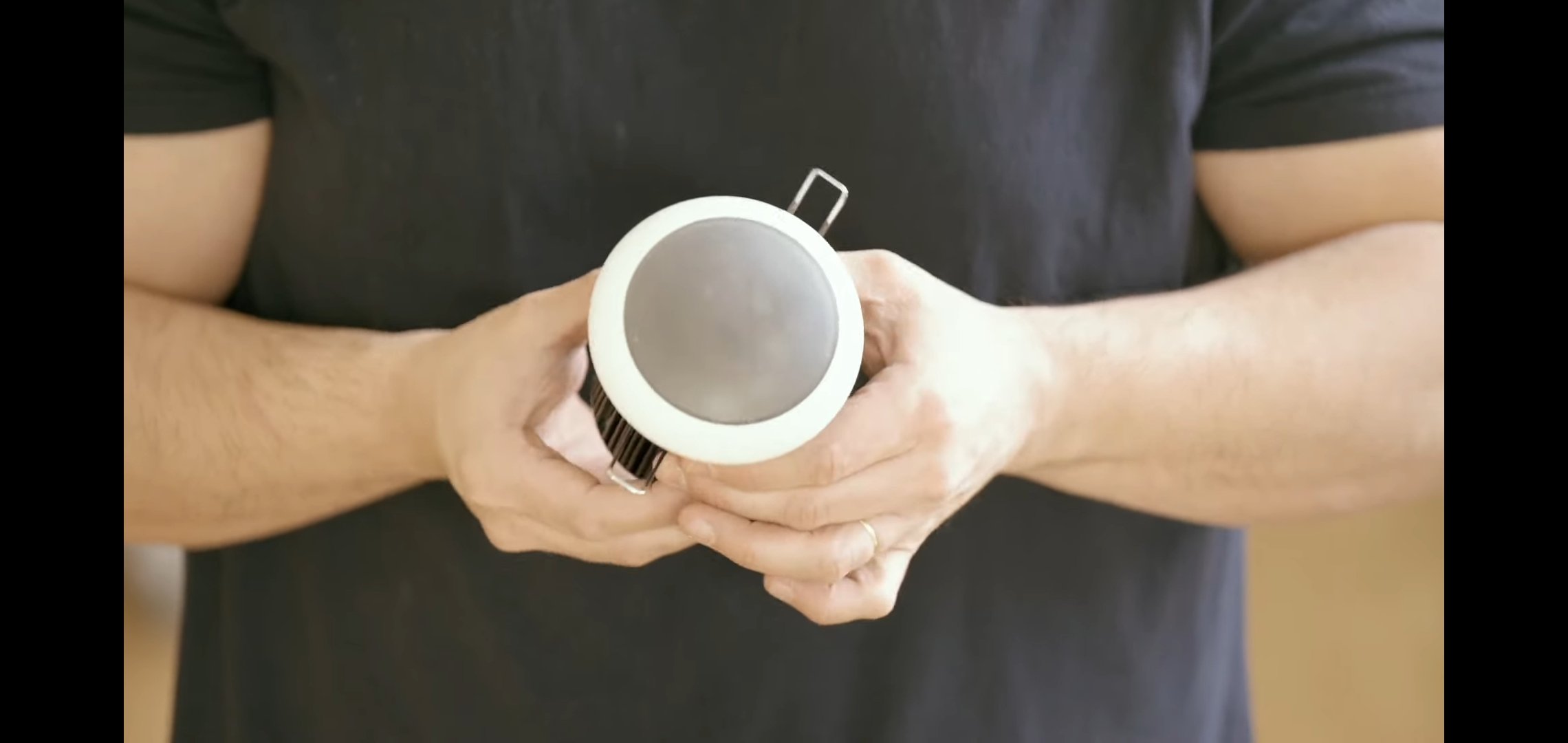
      The LiFi@Home™ family of LiFi connected experiences is made of a consumer-style downlighter, a smartphone, a smart TV and an AR Headset all connected by LiFi. The LiFi@Home system is powered by an easy to install power line communication (PLC) network backhaul that uses existing electrical cabling to connect everything to the internet. Installing the LiFi@Home™ system is as simple as changing a downlighter.


      Adding LiFi technology to a home will not only accommodate the growing demand for connected devices, it will also improve the user experience. LiFi enables more reliable connectivity that significantly improves latency and jitter and does not divide bandwidth. Next-generation experiences such as the metaverse and 8K streaming will be possible for everyone, pureLiFi claimed.


      pureLiFi’s demonstration of consumer-ready LiFi products is enabled by their world-leading light antennas which are compatible with the same WiFi basebands that already exist in billions of connected devices today, allowing for easy integration of LiFi technology.


      At MWC in Barcelona, pureLiFi CEO Alistair Banham made a direct call to the industry to show leadership beyond using WiFi and 5G. LiFi is for leaders who want to differentiate and offer their customers the best experience. We are calling on the industry to look beyond ordinary and unleash innovation with LiFi. The next and best in connectivity solutions is ready for the taking. LiFi is ready for you to design into your products and put you at the forefront of the next big wave of technology innovation.”


      This latest advancement comes after multiple successful large-scale deployments of LiFi with the US Army to provide more reliable and secure mission-critical communications. With the addition of LiFi@Home™ to pureLiFi’s offering, LiFi continues on the classic journey of taking proven technology from the defence sector into the hands of everyone. pureLiFi will be demonstrating LiFi@Home™ throughout the week at MWC in Barcelona and sharing their vision to connect everything and everyone with LiFi.

      Credit to pureLiFi

      MWC Barcelona 2022

      MWC Barcelona (formerly Mobile World Congress) is the largest mobile event in the world as well as the meeting place for the leaders of the mobile and related industries. The event is held in Barcelona, Catalonia, Spain at the Fira de Barcelona Gran Via, usually in February or early March. It is attended primarily by device manufacturers, network equipment providers, representatives of wireless carriers, and the press, among others. Its annual attendance is generally around 100,000 people, while mobile phone manufacturers often use the conference to unveil upcoming devices.

      GSMA has extended the MWC brand to two other trade shows in Shanghai, China (MWC Shanghai) and Los Angeles, United States (MWC Los Angeles, formerly MWC Americas), but the brand remains most synonymous with Barcelona event.

      MWC Barcelona attracts some of the most influential decision-makers in the world. It’s where 2,400 leading companies and trailblazers share the latest topics relevant to the future. And the best place for networking opportunities with mobile and tech industry influencers.

      MWC also remains a truly international exhibition attracting decision-makers in the mobile ecosystem. Currently, registered attendees come from 2,000 different companies, 183 countries, and 50% are Director level or above.

      MWC Barcelona 2022 is happening February 28th through March 3rd

      Article source: https://purelifi.com/purelifi-pushes-connectivity-in-the-home-to-new-limits-with-lifihome/

      What is LiFi?

      Li-Fi, also known as "Light Fidelity" is a wireless optical networking technology, which uses light-emitting diodes (LEDs) to transmit data. In 2011, professor Harald Haas made a LiFi demonstration at the TED (Technology, Entertainment, Design) Global Talk on Visible Light Communication (VLC).

      VLC uses light as a medium to deliver high-speed communication like Wi-Fi and complies with the IEEE standard IEEE 802.15.7. The IEEE 802.15.7 is a high-speed, bidirectional, and fully networked wireless communication technology-based standard similar to Wi-Fi's IEEE 802.11.

      How does LiFi work?

      LiFi is a high speed, bidirectional, and fully networked wireless communication of data using light. LiFi constitutes of several light bulbs that form a wireless network.

      When an electrical current goes through to a LED light bulb, a stream of light (photons) emits from the lamp. LED bulbs are semiconductor devices, which means that the brightness of the light flowing through them can change at extremely high speeds. The signal is sent by modulating the light at different rates. The signal can then be received by a detector that interprets the changes in light intensity (the signal) as data. Also when the LED is ON, you transmit a digital 1, and when it is OFF, you transmit a 0.

      LiFi Benefits

      The primary benefits of LiFi are as follows:

      Security: Provides entirely secure access. Where there is no light there is no data.

      Safety: Does not produce electromagnetic radiation and does not interfere with existing electronic systems.

      Localisation: Allows localisation due to the small coverage area of LiFi access point - localisation can be used for very precise asset tracking.

      Data density: Provides ubiquitous high-speed wireless access that offers substantially greater data density (data rate per unit area) than RF through high bandwidth reuse.

      Credit to Signify

      LiFi Applications

      LiFi can be used for so many applications and the list is increasing every year. You can read our updated list of LiFi applications at the following link:

      https://www.lifitn.com/blog/2021/2/13/top-30-li-fi-applications-updated-list-including-potential-applications

      Credit to pureLiFi

      In conclusion, if you are also interested to hear more information about the OWNII Coin, investing in it, or enquire about Li-Fi devices such as the LiFiMax and Trulifi, you can contact us through our chatbot or by sending an email through our contact us form. If you enjoyed this post and would like to hear more updates about Li-Fi technology, subscribe to our newsletter. Don’t forget to subscribe to our social media accounts. You can also join our Telegram group about Li-Fi technology on this link:

      https://t.me/joinchat/FMzOmsEKyJFrU6Af


      Oledcomm LIFIMax Kit Review - One Year In

      Table of Contents

        Oledcomm LIFIMax Kit Review - One Year In

        Today, we are going to review the LiFiMax kit produced by the leading French LiFi company Oledcomm. We bought this LiFi kit system at the end of 2020. After over a year of use, we decided to write a review of this LiFi system. We will look briefly at the profile of Oledcomm, a brief history of the LiFiMax system, the Kit box contents, some testing and performance results of this LiFi system, the customer experience and our own verdict (the good and the bad points) of the LiFiMax kit.

        Oledcomm

        Oledcomm designs and develops LiFi network interface devices that enable high-speed wireless data communication. It also serves LiFi equipment in the telecom, datacom, personal electronics, and industrial markets. The company’s product portfolio includes hubs, routers, switches, adapters, drivers, power supplies, and many more.

        Oledcomm was founded in 2012 and is currently based in Paris, France. Oledcomm's adventure began in 2005 in the research laboratories of the University of Versailles-Saint-Quentin with the first work on communication by visible light.

        Following years of research & development and a passion for innovation, Oledcomm became the pioneer of LiFi (Light Fidelity) solutions and innovation on a global scale.

        Based in the Paris region, Oledcomm employs around 25 people and designs complete solutions for LiFi operation, including microcontrollers, LiFi photoreceivers and software platforms.

        Today, after more than 28 patents, 15 years of R&D, over 500 trusted clients and several awards, Oledcomm is pursuing a strong mission: to transform the 14 billion points of light in the world into a powerful communication network.

        LIFIMax KIT HISTORY

        LiFiMax dongle. Photo credit to Press-Citron

        Back in early 2019, Oledcomm announced their 2nd generation LiFi system called “LiFiMax”. at the 2019 Consumer Electronics Show (CES).

        Benjamin Azoulay, President of Oledcomm stated that " LiFiMax is the result of more than 10 years of research. The LiFiMax connection is particularly required in offices: meeting rooms, work spaces, co-working and M2M industrial environments sensitive to radio frequencies”.

        After the worldwide success of MyLiFi desk lamp, the first consumer LiFi lamp, the company developed a solution for professionals with LiFiMax. The latter will offer a connection ranging from 40 Mbps to 100 Mbps, over a radius of 28 m², and allowing up to 16 people to connect simultaneously.

        The product became available from September 2019, for less than 874 euros (around £786). Benjamin Azoulay further stated at the time: "We are lucky for the moment to be under the radars: the big players in the sector [terminal manufacturers] have other priorities. Our strategy is to develop products and know-how, so that when they wake up, they take a license from us instead of spending two or three years developing their own solutions, ".

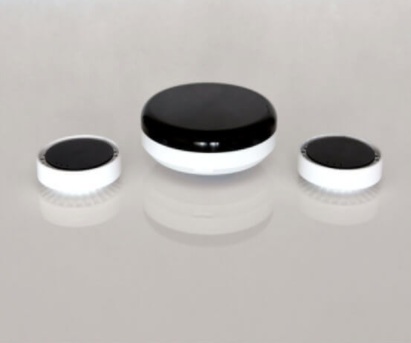
        According to Oledcomm, LiFiMax® is an optical wireless communication system providing up to 16 simultaneous users with an ultra-high-speed, highly secured and radio wave-free wireless network access thanks to invisible light.

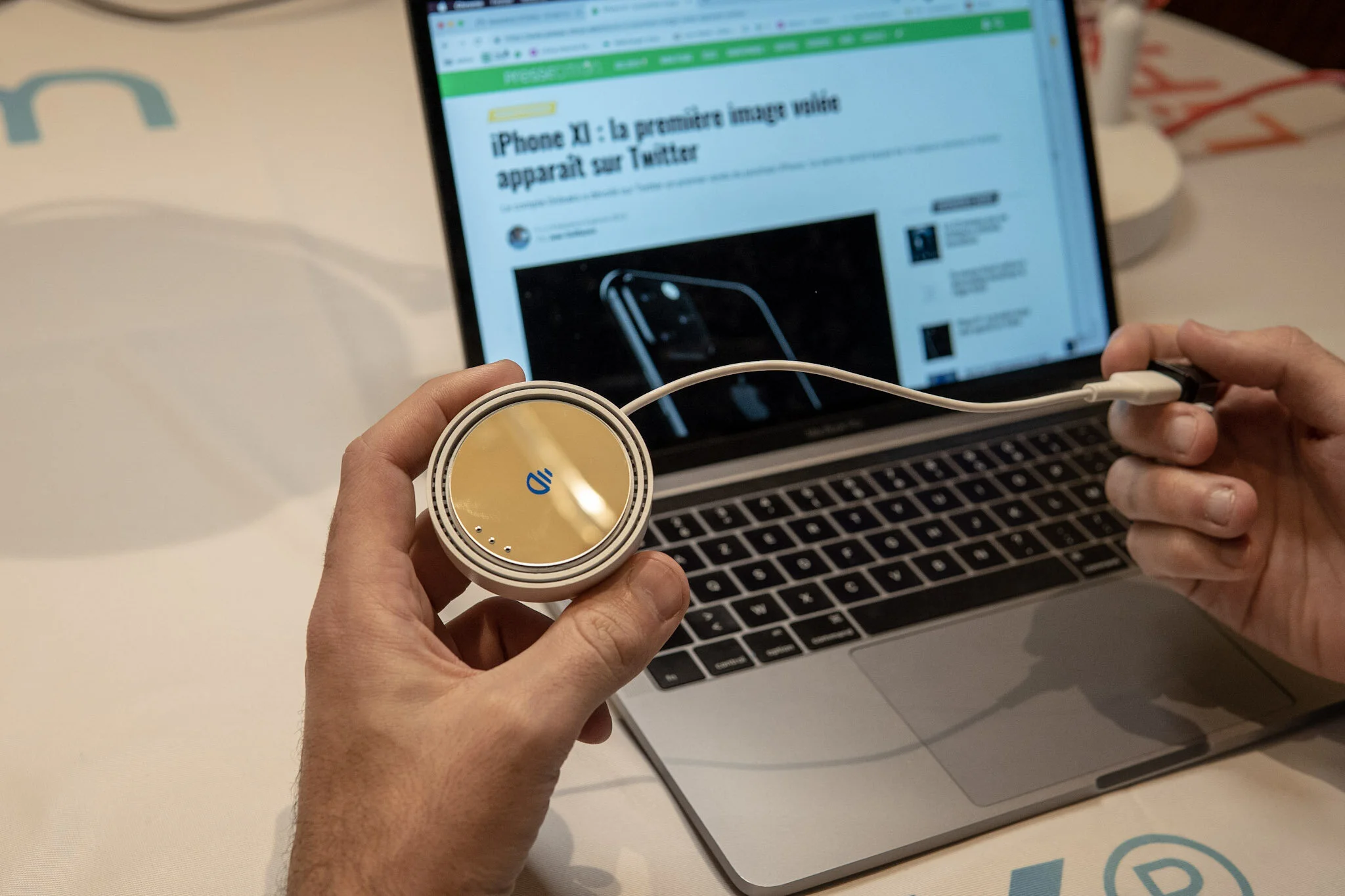
        A LiFiMax® system is composed of a LiFiMax® access point that can be easily fixed on the ceiling of your conference room, co-working space or simply home office, and which enables network access to every device equipped with a plug-and-play LiFiMax® dongle.

        LIFIMax KIT PRICE

        We placed an order around December 2020 and we were quoted a price of around 990 euros (around £833) at the time. This was excluding the shipping price. The shipping price was 69 euros. The total price paid was 1059 euros (£891).

        LIFIMax KIT BOX CONTENTS

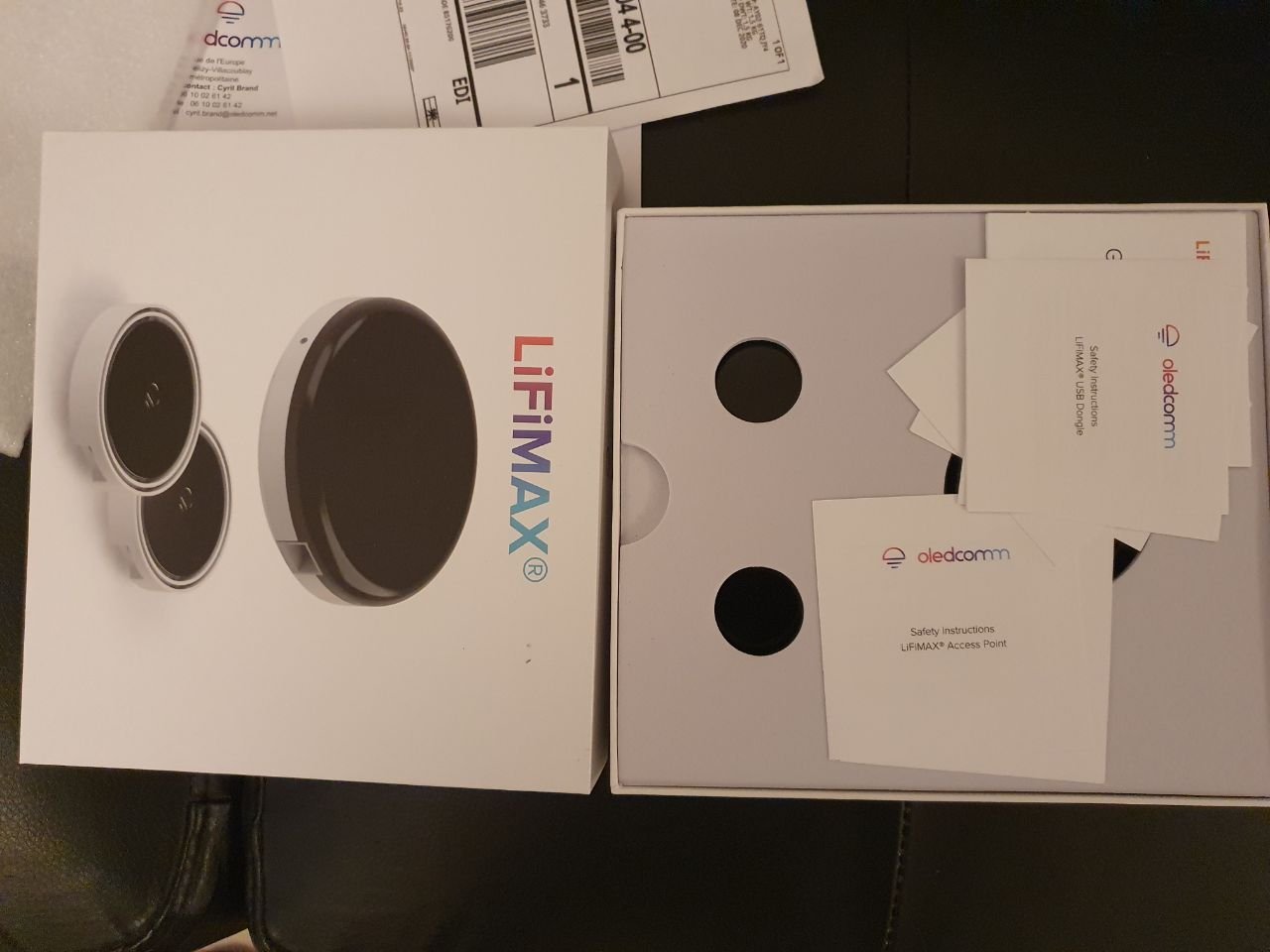
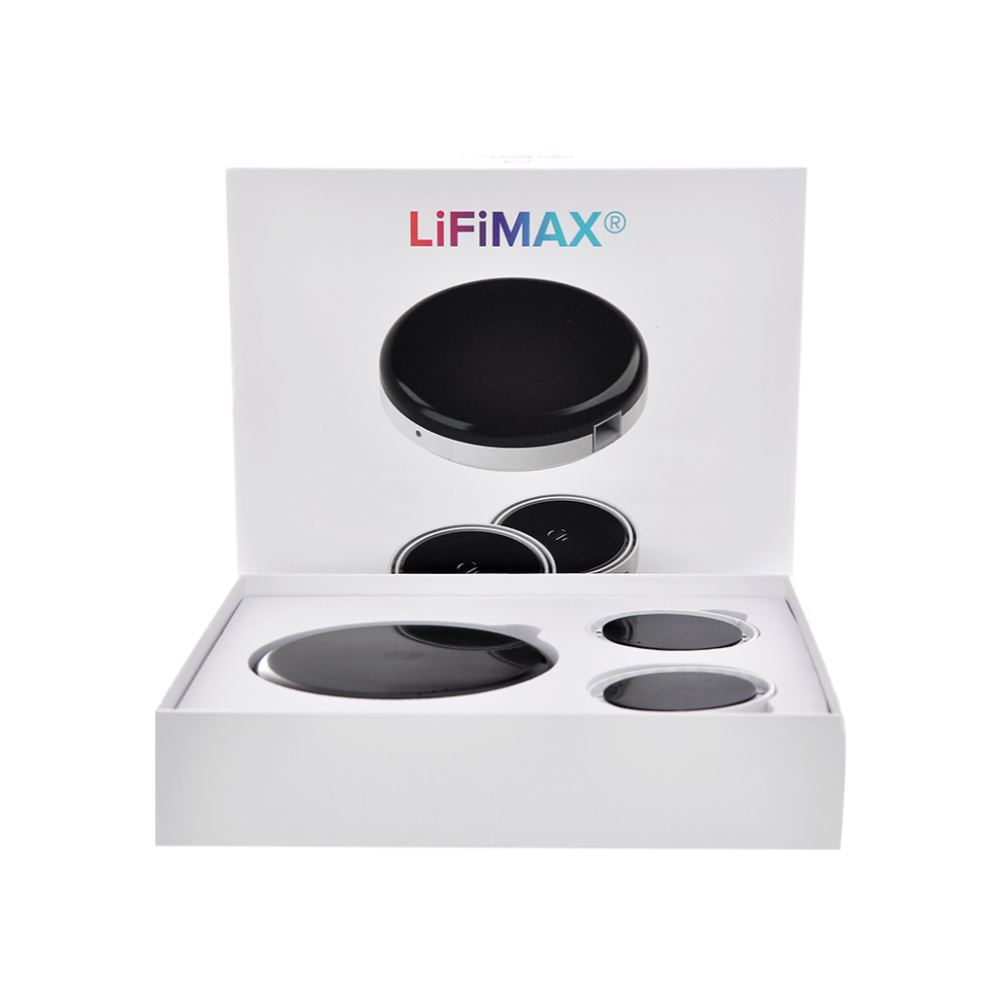
        When ordering a LiFiMAX kit from Oledcomm, you will receive the following contents:

        • 1 x LiFiMax® access point

        • 2 x LiFiMax® dongle

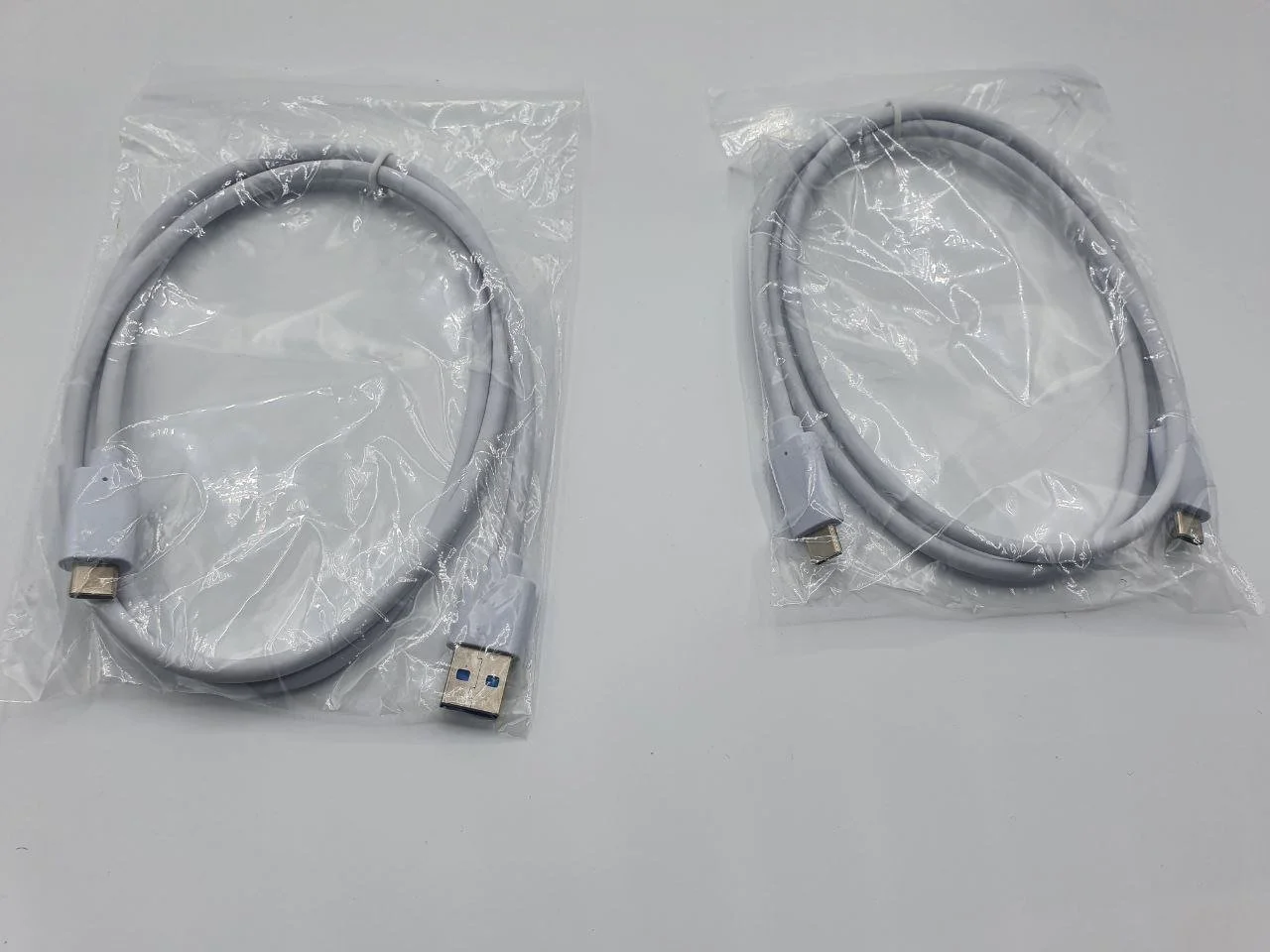
        • 1 x USB-C / USB-C cable

        • 1 x USB-C / USB-A cable

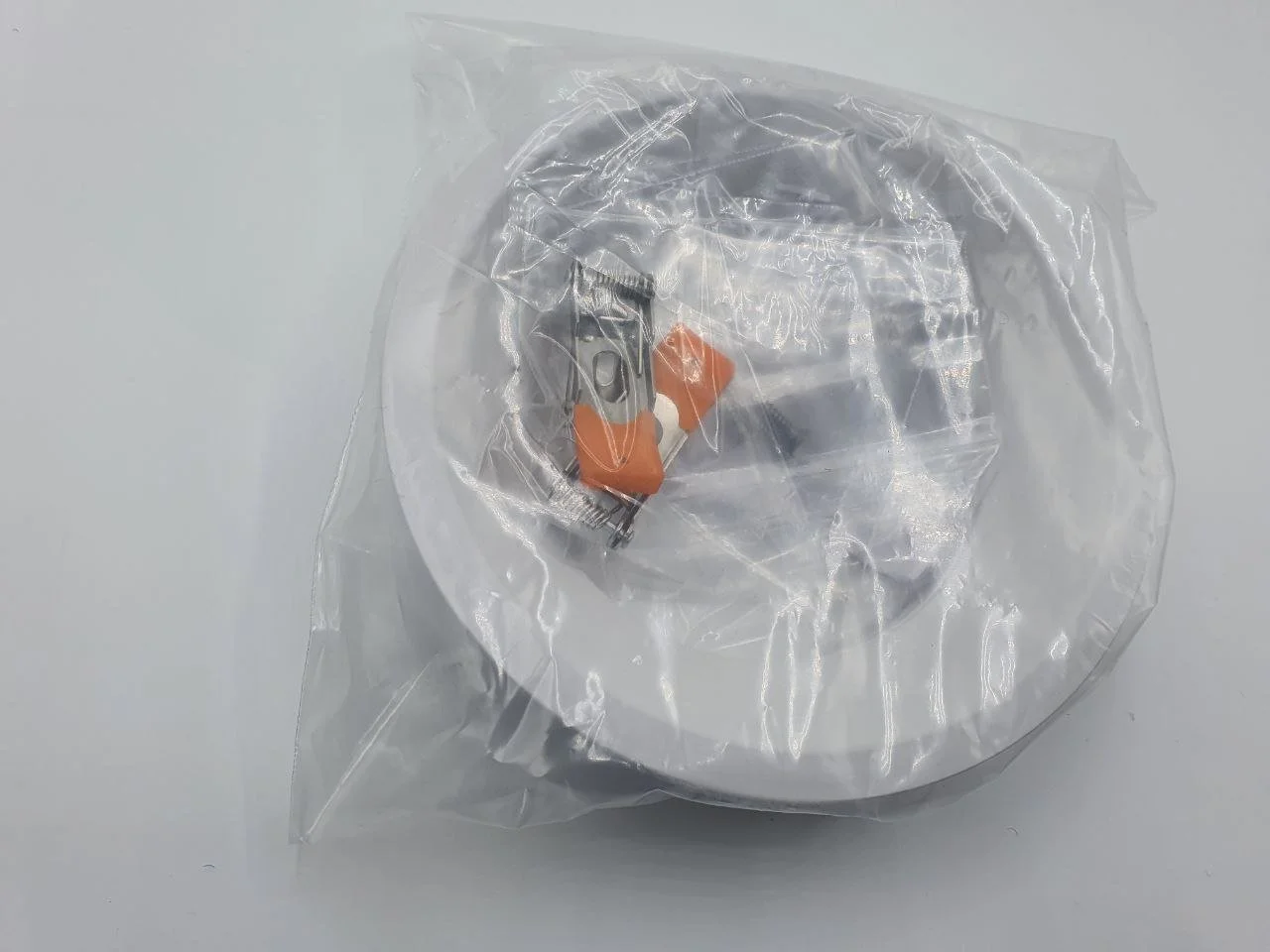
        • 1 x Mounting kit

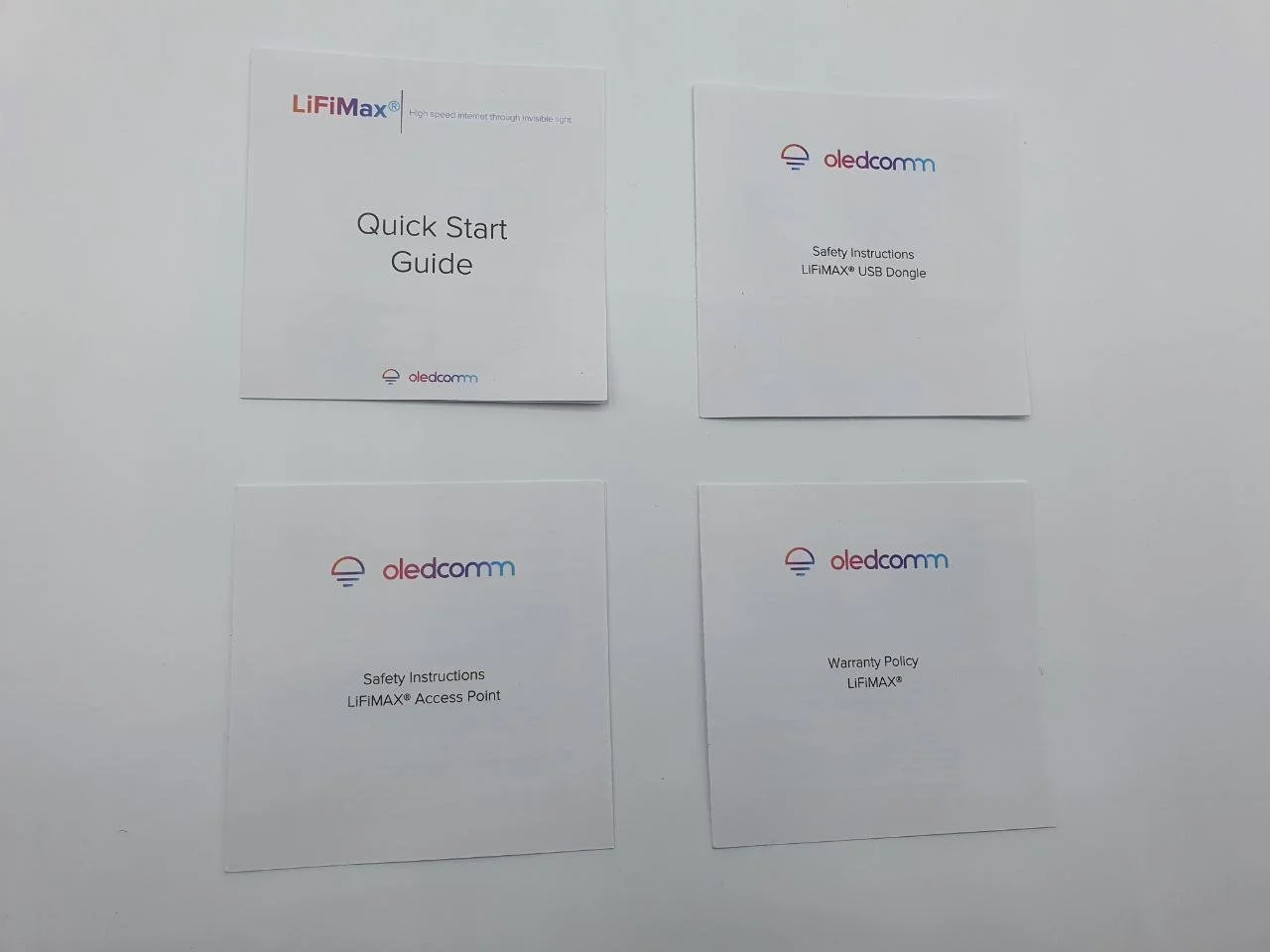
        • 8 x pieces of documentation (Warranty Policy, Safety Instructions LiFiMax Access Point, Safety Instructions LiFiMax USB Dongle and Quick Start Guide). You will receive four pieces of documentation in English and four pieces of documentation in French.

        LIFIMax KIT SPECIFICATIONS

        Credit to Oledcomm

        The LiFiMax system is a LiFi plug and play system as there is no need to install additional drivers or software when plugging the USB dongle on any tablet, smartphone or computer system. Up to 16 users can connect to a LiFiMax access point. This LiFi system also uses Advanced Encryption Standard (AES) 128 encryption. AES is implemented in software and hardware throughout the world for the encryption of sensitive data. It is essential for government computer security, cybersecurity and electronic data protection.

        AES includes three block ciphers:

        • AES-128 uses a 128-bit key length to encrypt and decrypt a block of messages.

        • AES-192 uses a 192-bit key length to encrypt and decrypt a block of messages.

        • AES-256 uses a 256-bit key length to encrypt and decrypt a block of messages.

        Each cipher encrypts and decrypts data in blocks of 128 bits using cryptographic keys of 128, 192 and 256 bits, respectively.

        Security experts consider AES safe against brute-force attacks. A brute-force attack is when a threat actor checks all possible key combinations until the correct key is found. The key size employed for AES encryption, therefore, needs to be large enough so that it cannot be cracked by modern computers, even considering advancements in processor speeds based on Moore's law.

        Below are some more specifications of the LiFiMAX system:

        Communication Specifications

        • Type of light source: Infrared LED

        • Download data rate: up to 100 Mbps

        • Upload data rate: up to 100 Mbps

        • Communication coverage: 90 degrees field of view

        • Maximum number of users: 16

        Electrical Specifications

        • Access point nominal power < 5W

        • Access point power input: PoE (IEEE 802.3af)

        • Dongle nominal power: 2.5W

        • Dongle power input: USB-C

        Mechanical Specifications

        • Access point dimensions: Diameter: 110mm / Height: 25 mm

        • Access point weight: 400 g

        • Dongle dimensions: Diameter: 63 mm / Height: 17 mm

        • LiFi Dongle weight: 100 g

        • Main material: white painted aluminium

        • Ingress protection: IP30

        User Device Requirements

        Microsoft® Windows 7, 8, 10, Mac OS®, UNIX®, or Linux, Android

        LIFIMax KIT INSTALLATION

        Additional Required Equipment Before Use

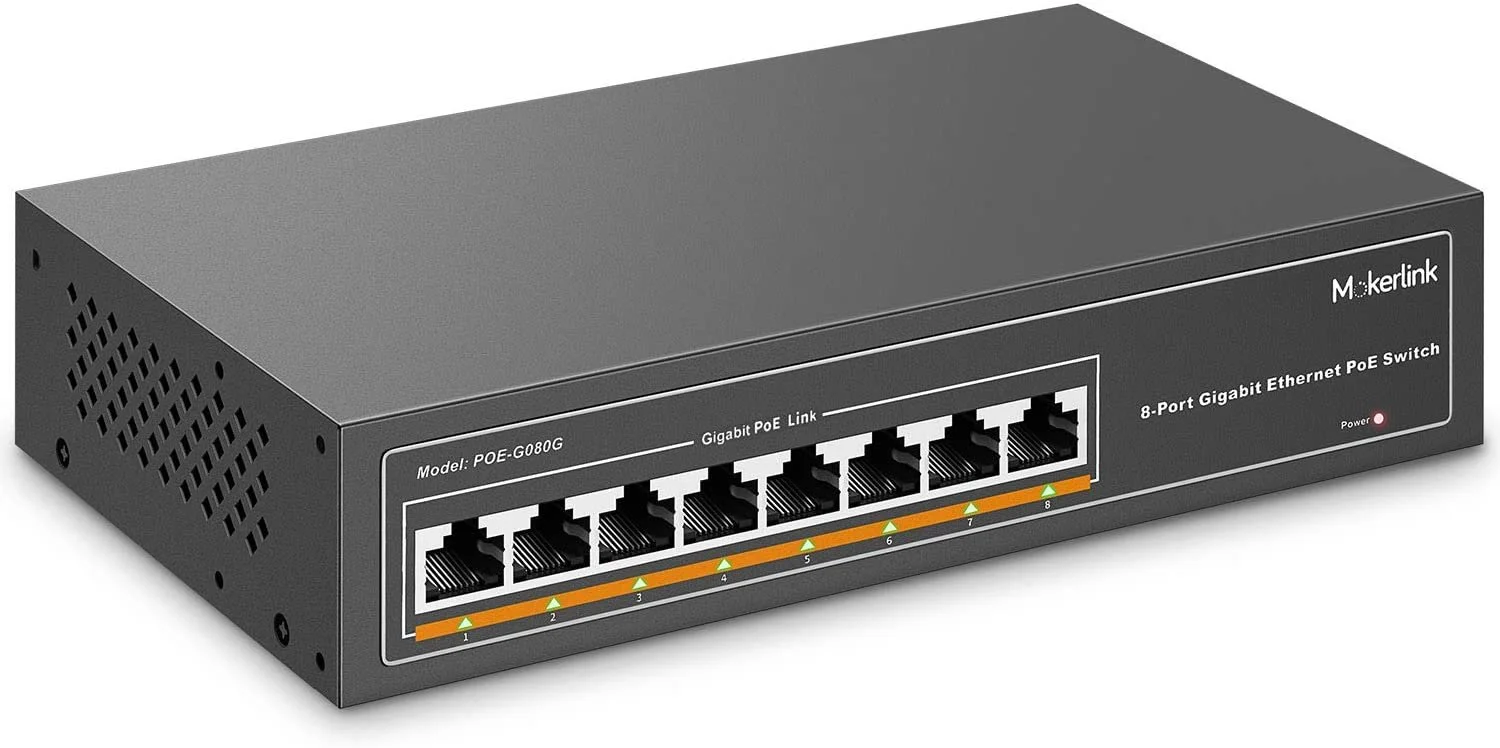
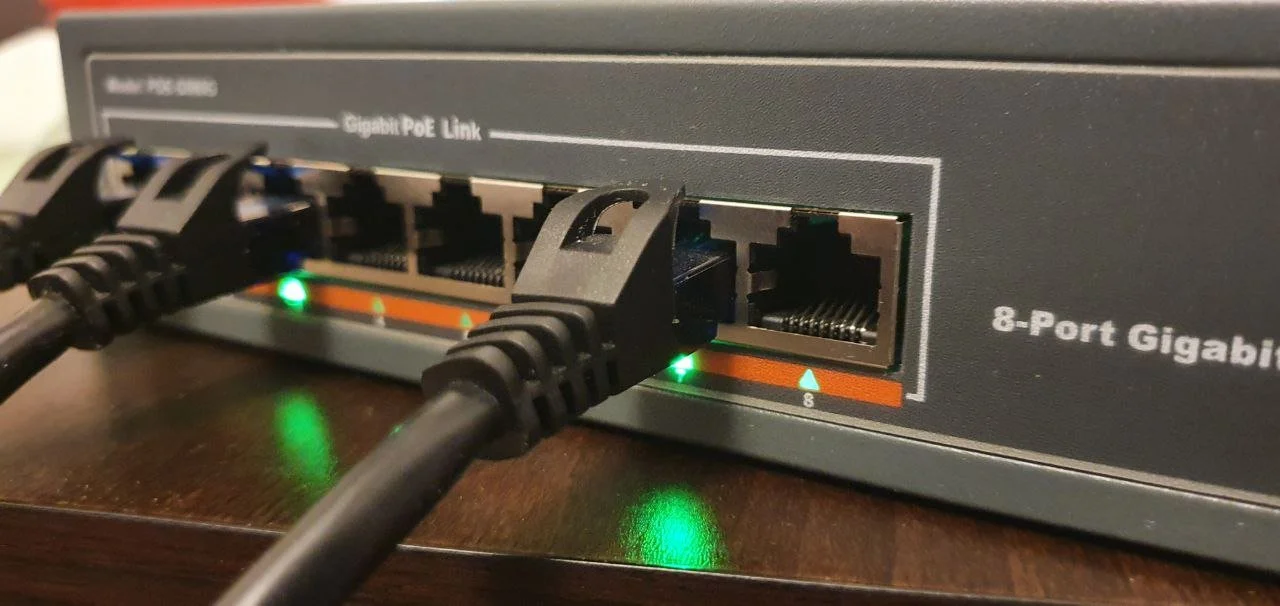
        Before setting up your LiFiMax system, you will need to get at least two Ethernet CAT6 cables and a PoE (Power Over Ethernet) switch device.

        A CAT6 Ethernet cable is a standardised twisted pair cable for Ethernet that is backward compatible with CAT5/5e and CAT3 cable standards. Like CAT5e, CAT6 cables support Gigabit Ethernet segments up to 100 m, but they also allow for use in 10-Gigabit networks over a limited distance. Cat6 cables have stricter performance specifications and significantly higher data transfer speeds at greater distances. They are more tightly wound than Cat5 cables, and the cable conductors and cable sheath are thicker as well.

        PoE is a revolutionary technology that allows network cable to provide both data and power for PoE-enabled devices. The PoE can provide higher power and reduce a lot of power cables during networking. A PoE switch offers power supply and data connection to a PoE-enabled IP camera system via network cables like Cat5, Cat5e and Cat6. Nowadays, whatever the industry or location, it is common and even necessary to use PoE managed switch for IP security cameras to ensure the safety of people and businesses.

        In other words, without a PoE switch and at least a CAT6 Ethernet cable, the LiFiMax system will not work.

        In our own case, we used some CAT6 cables and an 8 port Gigabit PoE switch when testing and using the LiFi system. N.B the Internet signal can be either slipt between the PoE ports, slightly reduced between the PoE ports or even be the same speed that you will normally get from your Internet router or modem. It depends on the type of PoE switch you have bought for home or office use.

        CAT6 Ethernet Cable example

        PoE Switch example - Credit to Mokerlink

        Installation steps

        STEP 1

        Of course, the first thing you need to do is to make sure that your Internet router or modem is ON and that the Internet signal is working.

        STEP 2

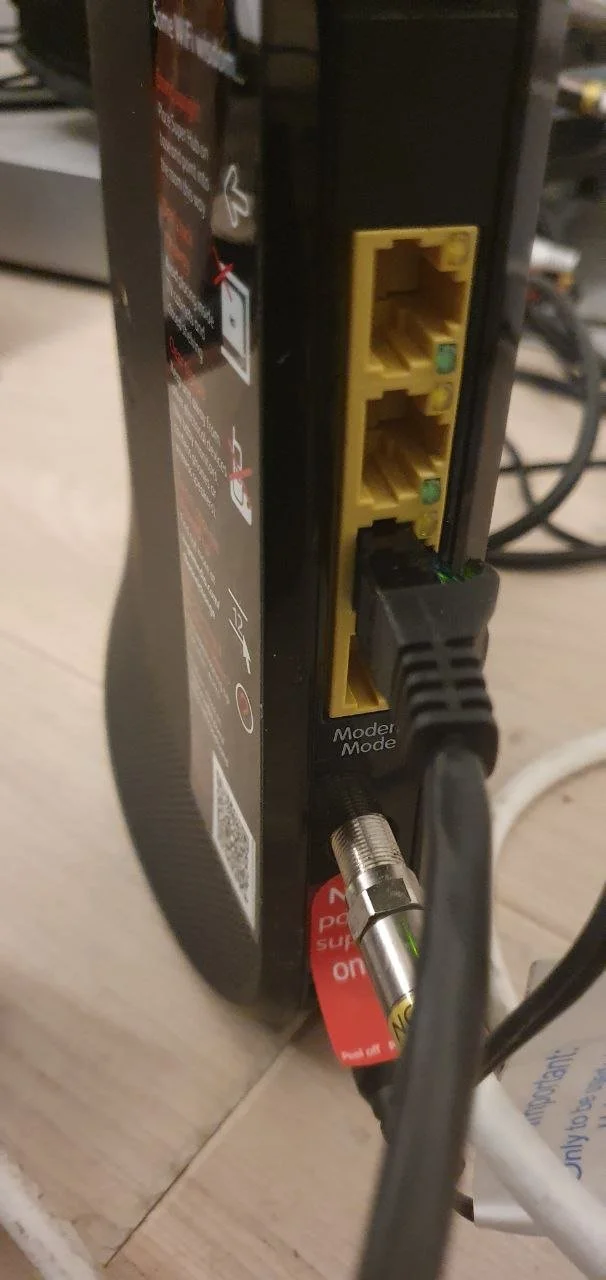
        Then, connect one end of the CAT6 Ethernet cable to your Internet router or modem and the other end of the CAT6 Ethernet cable to one of the PoE switch ports. This will allow the PoE switch to receive the Internet signal from your Internet router or modem and distribute it into each of the PoE switch ports.

        Modem with a CAT6 cable end on one port

        The other CAT6 cable end on one of the PoE switch ports

        STEP 3

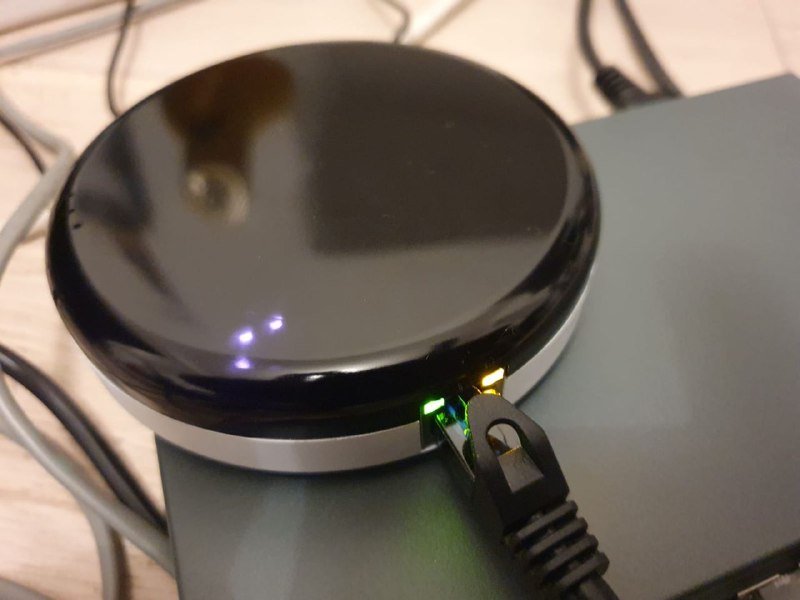
        Connect one end of the CAT6 Ethernet cable to another PoE switch port and the other end of the CAT6 Ethernet cable to the PoE port of the LiFiMax access point. This will allow the LiFiMax access point to receive power and data from the PoE switch at the same time. It usually takes 13 to 15s for the LiFi Max access point to switch ON. If you connect a CAT6 cable from the modem or router to the port of the LiFiMax access point, it will not switch ON.

        LiFiMax access point

        STEP 4

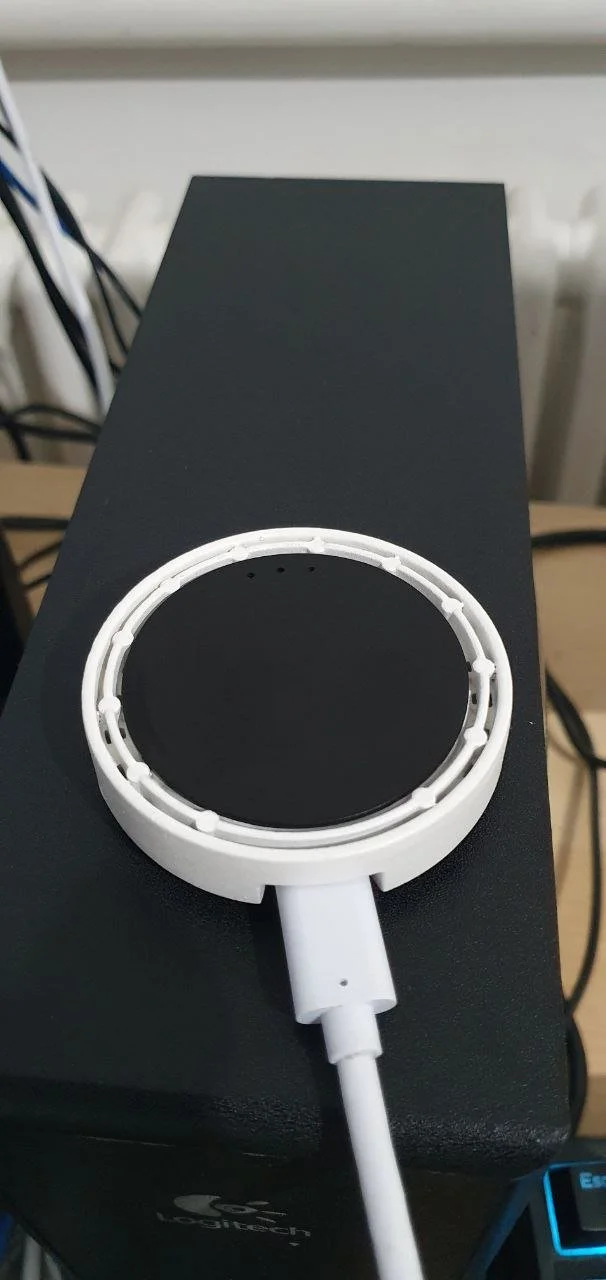
        Connect the USB Type-A port to your computer system and the USB Type-C port to your LiFiMax USB dongle port. An Ethernet Network name should be displayed on the “Network & Internet Settings” section on your computer system. The name of the LiFi Ethernet network could come as either “Ethernet 2”, “Ethernet 3”, “Ethernet 4” or even as the name of your usual Internet network on your system. In one of many experiments and testings with the LiFiMax kit, the LiFi network name came up as Ethernet 3 before changing the name of the Ethernet network to the usual residential home Internet network name.

        Finally depending on where you have placed the LiFiMax access point either through the room ceiling, holding it with your hand or even attached it to a lampstand, place the LiFi USB dongle in the coverage area of the LiFi access point.

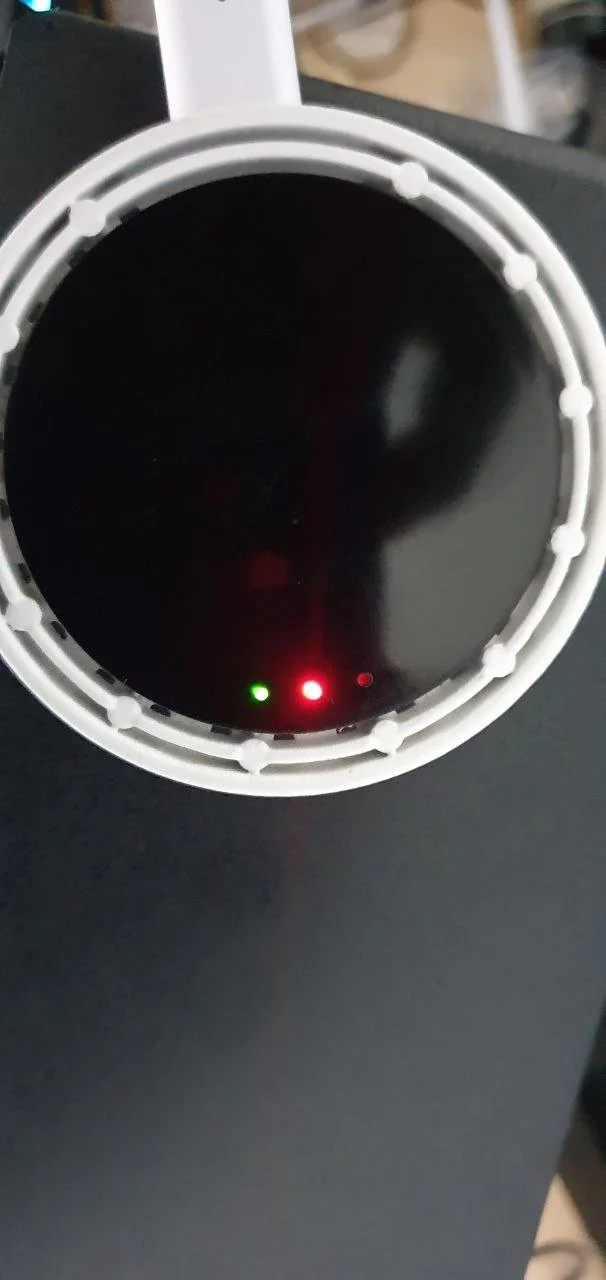
        The quality of the connection can be either of the followings:

        • Flashes Green: Good connection and Encryption activated. This also means the Ethernet connection is fine

        • Flashes Orange: Poor connection and Encryption not activated

        • Flashes Red: Very poor connection and Encryption not activated

        LIFIMax KIT TESTING AND PERFORMANCE

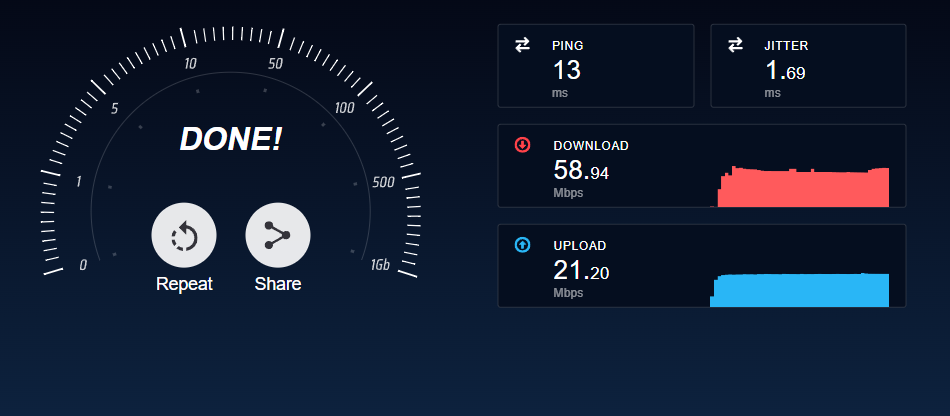
        We also did a series of tests by playing YouTube videos at different resolutions. We tested the performance of the LiFiMax kit when playing YouTube videos at 1080p, 2K, 4k and 8K resolutions respectively. Before that, we did a quick Internet speed test. The download rate was over 50 Mbps and the upload rate was over 20 Mbps. Download rate refers to how many megabits (Mbps) per second it takes your server to download data to your device. Upload rate refers to the time it takes for your connection to send data back to the speed test server. The speed test results depend on the Internet signal from the Internet service provider and the type of PoE switch device used.

        Quick speed test when connecting to the LiFi Ethernet network at a home residence.

        We proceeded to place the LiFi USB dongle in the coverage area of the LiFiMax access point. It usually takes between 3 and 7 seconds to be connected to the LiFi network. We then went on to play some YouTube videos at different resolutions via LiFi network connection. Below are some few performance results of the LiFiMax kit when playing the YouTube videos at different resolutions:

        Playing at 1080p resolution

        Throughout the play of the video, there was no buffering showing at 1080p resolution.

        Playing at 2K resolution

        There was no buffering showing at 2k resolution.

        Playing at 4K resolution

        During this test at 4k resolution, few episodes of buffering were showing near the 8 seconds of the video. It is usually recommended to have internet speeds of at least 100 Mbps to play videos at 4k resolution without any buffering.

        Playing at 8K resolution

        As expected during this test at 8k resolution, the video was struggling to play as there was a lot of buffering. This was expecting as the internet speed was not enough to videos at 8k resolution It is usually recommended to have internet speeds of over 500 Mbps and a computer with high video card and graphics card capabilities to play videos at 8k resolution without any buffering.

        LIFIMax Ethernet Tethering

        In contrast to other LiFi systems that we have tested and used, you can connect a smartphone or a tablet to the LiFiMax access point. You can do this by connecting a LiFi dongle to the USB Type-C charging port of your phone or tablet and activate the “Ethernet Tethering” feature on your Android device.

        LIFIMax Kit - Our Verdict From LiFi Tech News

        Overall, we are very satisfied with the general performance of the LiFiMax kit. We have highlighted some negative points and positive points about this LiFi kit.

        Negative Points

        1) This kit does not come with at least one CAT6 Ethernet cable. Some other LiFi kit systems such as the Trulifi kit do offer it.

        2) The pieces of documentation that come with the package are too small to read. It will be great if Oledcomm can increase the size of the pieces of documentation for their LiFi kits.

        3) The kit can be a bit pricey for some. However, in contrast to other LiFi systems, which prices can range from £1500 and £6000, the LiFiMax kit is more cost-effective.

        Positive Points

        1) The installation is truly a plug and play installation. No need of installing drivers or additional software for the LiFi dongles to work on your computer system. This is very convenient and user friendly from a client point of view.

        2) This kit version is not bulky and heavy unlike some other LiFi systems such as the LiFi kits from pureLiFi. It is lightweight and easy to carry.

        3) The customer support from Oledcomm has been nothing but outstanding from our experience. We really like their professionalism and LiFi passion to answer any question about their LiFi products and services.

        4) Overall, the LiFiMax kit offer stable connection. The dongle does connect quickly to the Internet when placing it in the coverage area of the access point.

        5) The kit adds an extra layer of security with its AES 128 encryption feature. This is very useful when dealing with sensitive data on any computer system.

        LIFIMax - Upcoming Reviews Of Other Versions

        We are aware and have been informed by Oledcomm that they have different versions of LiFi kits and other LiFi systems which can perform download rates ranging from 500 Mbps and 1 Gbps as well as some reaching up to 3 Gbps. We will review them soon. Don’t forget to follow on all our social media platforms and subscribe to our newsletter to stay updated about LiFi technology news.

        What is LiFi?

        LiFi, also known as "Light Fidelity" is a wireless optical networking technology, which uses light-emitting diodes (LEDs) to transmit data. In 2011, professor Harald Haas made a LiFi demonstration at the TED (Technology, Entertainment, Design) Global Talk on Visible Light Communication (VLC).

        VLC uses light as a medium to deliver high-speed communication like Wi-Fi and complies with the IEEE standard IEEE 802.15.7. The IEEE 802.15.7 is a high-speed, bidirectional, and fully networked wireless communication technology-based standard similar to Wi-Fi's IEEE 802.11.

        How does LiFi work?

        LiFi is a high speed, bidirectional, and fully networked wireless communication of data using light. LiFi constitutes of several light bulbs that form a wireless network.

        When an electrical current goes through to a LED light bulb, a stream of light (photons) emits from the lamp. LED bulbs are semiconductor devices, which means that the brightness of the light flowing through them can change at extremely high speeds. The signal is sent by modulating the light at different rates. The signal can then be received by a detector that interprets the changes in light intensity (the signal) as data. Also when the LED is ON, you transmit a digital 1, and when it is OFF, you transmit a 0.

        LiFi Benefits

        The primary benefits of LiFi are as follows:

        Security: Provides entirely secure access. Where there is no light there is no data.

        Safety: Does not produce electromagnetic radiation and does not interfere with existing electronic systems.

        Localisation: Allows localisation due to the small coverage area of LiFi access point - localisation can be used for very precise asset tracking.

        Data density: Provides ubiquitous high-speed wireless access that offers substantially greater data density (data rate per unit area) than RF through high bandwidth reuse.

        Credit to Oledcomm

        LiFi Applications

        LiFi can be used for so many applications and the list is increasing every year. You can read our updated list of Li-Fi applications at the following link:

        https://www.lifitn.com/blog/2021/2/13/top-30-li-fi-applications-updated-list-including-potential-applications

        Credit to pureLiFi

        In conclusion, if you are also interested to hear more information about the OWNII Coin or enquire about LiFi devices such as the LiFiMax and Trulifi, you can contact us through our chatbot or by sending an email through our contact us form. If you enjoyed this post and would like to hear more updates about LiFi technology, subscribe to our newsletter. Don’t forget to subscribe to our social media accounts. You can also join our Telegram group about LiFi technology on this link:

        https://t.me/joinchat/FMzOmsEKyJFrU6Af

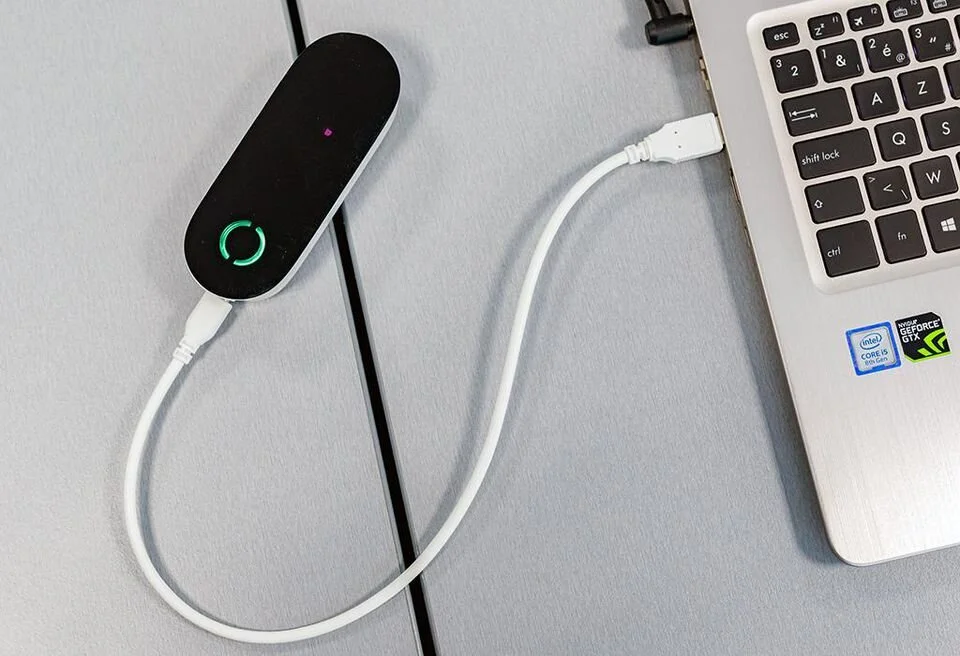
        Net & You And The Conseil Départemental De l’Allier Demonstrated LiFi Technology At The Maison De Bellevue

        Table of Contents

          Net & You And The Conseil Départemental De l’Allier Demonstrated LiFi Technology At The Maison De Bellevue

          Net&You

          On the 20th January 2022, The Net&You company launched a LiFi experiment in collaboration with the Conseil Départemental De l’Allier.

          "An initiative, and not the least, since we can now connect to the Internet using light and no longer by hertzian waves" indicates the company Net&You, based in Lapalisse and which has offices in Vichy, Atrium .

          The first establishment to have taken advantage of this offer is “La Maison de Bellevue” in Yzeure, and other nursery classes or nurseries could follow soon. The Maison de Bellevue, owned by the Conseil Départemental De l’Allier, is a place that allows foster children and siblings to spend time with their parent, in a space entirely dedicated to families.

          Net&You, a telecom operator and installer of fiber optics and Wi-Fi networks for companies and communities, is also known thanks to its brands, including Courchevel Telecom, and has made a fine national reputation in access to very high speed and the deployment of fiber optics, particularly in hard-to-reach sites.

          The Conseil Départemental De l’Allier spent around 7,000 euros (£5,902;$8,500) to install two LiFi kits.

          Net&You was born in the mountains, in 2012. Pioneers of fiber optic connection in remote places, they are the first on the rope when it comes to reaching isolated places. To date, they have installed the highest flow rate observed on a wine estate.

          An agile and ingenious fiber optic operator, they take advantage of their experience at altitude to circumvent the eligibility of traditional access providers (ISPs). For professional use or for individuals, their fiber optic deployment plan incorporates all types of constraints.

          They also hold the highest fiber connection record in Europe (2732 m altitude in Courchevel.) With lightweight structures, Net&You ensures fiber optic deployment and connection, everywhere.

          One of their motto is “Switching to Very High Speed ​​has never been easier for you”.

          What is LiFi?

          LiFi, also known as "Light Fidelity" is a wireless optical networking technology, which uses light-emitting diodes (LEDs) to transmit data. In 2011, professor Harald Haas made a LiFi demonstration at the TED (Technology, Entertainment, Design) Global Talk on Visible Light Communication (VLC).

          VLC uses light as a medium to deliver high-speed communication like Wi-Fi and complies with the IEEE standard IEEE 802.15.7. The IEEE 802.15.7 is a high-speed, bidirectional, and fully networked wireless communication technology-based standard similar to Wi-Fi's IEEE 802.11.

          How does LiFi work?

          LiFi is a high speed, bidirectional, and fully networked wireless communication of data using light. LiFi constitutes of several light bulbs that form a wireless network.

          When an electrical current goes through to a LED light bulb, a stream of light (photons) emits from the lamp. LED bulbs are semiconductor devices, which means that the brightness of the light flowing through them can change at extremely high speeds. The signal is sent by modulating the light at different rates. The signal can then be received by a detector that interprets the changes in light intensity (the signal) as data. Also when the LED is ON, you transmit a digital 1, and when it is OFF, you transmit a 0.

          LiFi Benefits

          The primary benefits of LiFi are as follows:

          Security: Provides entirely secure access. Where there is no light there is no data.

          Safety: Does not produce electromagnetic radiation and does not interfere with existing electronic systems.

          Localisation: Allows localisation due to the small coverage area of LiFi access point - localisation can be used for very precise asset tracking.

          Data density: Provides ubiquitous high-speed wireless access that offers substantially greater data density (data rate per unit area) than RF through high bandwidth reuse.

          Credit to Oledcomm

          LiFi Applications

          LiFi can be used for so many applications and the list is increasing every year. You can read our updated list of Li-Fi applications at the following link:

          https://www.lifitn.com/blog/2021/2/13/top-30-li-fi-applications-updated-list-including-potential-applications

          Credit to pureLiFi

          In conclusion, if you are also interested to hear more information about the OWNII Coin or enquire about LiFi devices such as the LiFiMax and Trulifi, you can contact us through our chatbot or by sending an email through our contact us form. If you enjoyed this post and would like to hear more updates about LiFi technology, subscribe to our newsletter. Don’t forget to subscribe to our social media accounts. You can also join our Telegram group about LiFi technology on this link:

          https://t.me/joinchat/FMzOmsEKyJFrU6Af

          Lawrence Woodmere Academy Installs Signify Trulifi 6002 LED Infrared (IR) Transceivers

          Table of Contents

            Lawrence Woodmere Academy Installs Signify Trulifi 6002 LED Infrared (IR) Transceivers

            Trulifi 6002 transceiver - Photo Credit to mobilegeeks

            Lawrence Woodmere Academy

            According to a recent article from LEDs Magazine, Lawrence Woodmere Academy recently installed Signify Trulifi 6002 LED infrared (IR) transceivers, but without the luminaires that can come from Signify’s LiFi kits. NY-based June Lite served as the integrator on this LiFi project. June Lite stated that the school is using the LiFi at its new STEM (science, technology, engineering, and math) centre, first in a robotics and gaming area, with the main computing room to follow after.

            Woodmere Academy, like other customers, decided on a system that excludes the luminaires but mounts the Infrared transceivers on the ceiling.

            Neither June Lite nor Signify revealed how may transceivers Woodmere is using or how much area the LiFi covers.

            According to LEDs Magazine, the two vendors also did not state how much the school paid for the system. June Lite plants trees around the world based on the value of a sale. It said that it is planting 60 trees in Ethiopia as a result of the school installation.

            June Lite also noted that LiFi can be healthier for students because it does not include any radio waves. A Signify spokesperson stated: “the Wi-Fi will at times be switched off to limit the children’s exposure to radio frequency radiation.” The Signify spokesperson further informed LEDs Magazine that Woodmere decided on a “hybrid” LiFi/Wi-Fi environment. The school added LiFi to the mix “to enhance the speed in which the children are experiencing the varied projects they engage in.”.

            Presumably, the Woodmere deployment includes dongles. Neither June Lite nor Signify elaborated on that according to LEDs magazine.

            Trulifi 6002 transceiver - Photo Credit to mobilegeeks

            Signify is the new brand name of Philips Lighting. The name change occurred in March 2018 to represent the transformation from an analogue lighting company into a digital lighting and Internet of Things (IoT) company. Signify is the world leader in lighting for professionals, consumers and lighting for the Internet of Things. The company provides lighting solutions for professional segments such as automotive, healthcare, horticulture, office, outdoor, phototherapy, petrol stations, solar, purification, schools, fashion, cinema, and more. These lighting solutions include indoor and outdoor luminaries, lamps, electronics, lighting controls, lighting control software, IoT systems and platforms.

            Credit to Signify

            Signify has also other brands under its belt such as Philips, Interact, Modular Lighting Instruments, Luceplan, Color Kinetics, ILTI Luce and Philips Hue.


            Trulifi system

            Signify launched a LiFi system called “Trulifi” back in 2019. Trulifi uses light waves to enable highly reliable, secure two-way wireless communications at speeds far above most conventional workplace wireless technologies.

            Trulifi uses optical wireless transceiver technology built, or retrofitted, into Philips luminaires. This means customers do not have to replace their existing lighting infrastructure to receive great quality light and wireless connectivity.

            Trulifi 6002 dongle and USB cable - Credit to Signify

            The LiFi system comprises of a USB Network Access adapter, LiFi enabled LED lights and a Trulifi-6002 Plug-In Optical Transceiver. The Trulifi-enabled luminaires can provide wireless connectivity at speeds up to 150 Megabits per second (Mbps) over large spaces, such as meeting rooms and office floors. There is seamless handover between each Trulifi-enabled luminaire enabling users to roam around. The speed is fast enough to stream simultaneously 30 1080p HDTV movies. A USB-access key, plugged into a laptop, is needed to receive the LiFi signal and acts as an emitter to send data back to the luminaire.

            The Trulifi range also includes a fixed point-to-point system, up to 250 Mbps speed, which acts like a wireless cable. This is ideal for mobile devices connectivity. This LiFi system can also be useful to connect robots or machines in radio frequency (RF) harsh environments like industrial plants, or hospitals where RF communications may not be permitted, or where there’s a need to send and receive large data files securely and quickly. Currently, Trulifi is aimed at professional markets, including offices, hospitality, retail, industry, construction and healthcare.

            Benefits of Trulifi

            Signify claimed the following three benefits of their Trulifi system:

            RELIABLE

            Trulifi is ideal for busy areas, such as multi-tenancy buildings, stations, airports and public areas. Network availability and overload are no longer an issue. Trulifi provides guaranteed bandwidth without interference from other radio communication systems.

            What’s more, it works in places where radio frequencies are not permitted, restricted or could cause interference – such as in hospitals, some schools, aircraft and industrial plants. It also works where radio frequencies don’t work well or at all.

            Trulifi actively coordinates traffic, ensuring good quality of service for all users, at all times. It uses the ITU G.9991 LiFi standard. 

            The new standard, ITU G.9991, describes the system architecture, physical layer and data link layer specification for ‘high-speed indoor VLC transceivers’, the VLC access points within light bulbs.

            SECURE

            Trulifi uses AES 128-bit encryption. The Advanced Encryption Standard (AES) is a symmetric block cipher chosen by the U.S. government to protect classified information and is implemented in software and hardware throughout the world for the encryption of sensitive data. Information is accessed using a USB access key. What’s more an extra layer of security is built-in, as light waves cannot penetrate walls. This all helps to make Trulifi as secure as wired communication. Perfect for applications where security is paramount:

            • Financial institutions

            • Government

            • Police

            • Military

            • Data centres

            • Corporate organisations

            FAST

            Trulifi 6002 series has a net data rate up to 150 Mbps for the downlink and the uplink. That’s fast enough to stream simultaneously 30 1080p HDTV movies.

            It’s perfect for offices and large spaces as each luminaire transceiver hands off seamlessly to another. And unlike other LiFi systems, it works with the lights on, dimmed or off.

            Trulifi 6013 is a fixed point-to-point system. It acts like a wireless cable with a guaranteed net data rate up to 250 Mbps for the downlink and uplink. It can be used in a host of environments – from connecting machines in a factory to sending large image files in a hospital. Trulifi 6013 is available with Blue, Red and Green light.


            What is LiFi?

            LiFi, also known as "Light Fidelity" is a wireless optical networking technology, which uses light-emitting diodes (LEDs) to transmit data. In 2011, professor Harald Haas made a LiFi demonstration at the TED (Technology, Entertainment, Design) Global Talk on Visible Light Communication (VLC).

            VLC uses light as a medium to deliver high-speed communication like Wi-Fi and complies with the IEEE standard IEEE 802.15.7. The IEEE 802.15.7 is a high-speed, bidirectional, and fully networked wireless communication technology-based standard similar to Wi-Fi's IEEE 802.11.

            How does LiFi work?

            LiFi is a high speed, bidirectional, and fully networked wireless communication of data using light. LiFi constitutes of several light bulbs that form a wireless network.

            When an electrical current goes through to a LED light bulb, a stream of light (photons) emits from the lamp. LED bulbs are semiconductor devices, which means that the brightness of the light flowing through them can change at extremely high speeds. The signal is sent by modulating the light at different rates. The signal can then be received by a detector that interprets the changes in light intensity (the signal) as data. Also when the LED is ON, you transmit a digital 1, and when it is OFF, you transmit a 0.

            LiFi Benefits

            The primary benefits of LiFi are as follows:

            Security: Provides entirely secure access. Where there is no light there is no data.

            Safety: Does not produce electromagnetic radiation and does not interfere with existing electronic systems.

            Localisation: Allows localisation due to the small coverage area of LiFi access point - localisation can be used for very precise asset tracking.

            Data density: Provides ubiquitous high-speed wireless access that offers substantially greater data density (data rate per unit area) than RF through high bandwidth reuse.

            Credit to Oledcomm

            LiFi Applications

            LiFi can be used for so many applications and the list is increasing every year. You can read our updated list of Li-Fi applications at the following link:

            https://www.lifitn.com/blog/2021/2/13/top-30-li-fi-applications-updated-list-including-potential-applications

            Credit to pureLiFi

            In conclusion, if you are also interested to hear more information about the OWNII Coin or enquire about LiFi devices such as the LiFiMax and Trulifi, you can contact us through our chatbot or by sending an email through our contact us form. If you enjoyed this post and would like to hear more updates about LiFi technology, subscribe to our newsletter. Don’t forget to subscribe to our social media accounts. You can also join our Telegram group about LiFi technology on this link:

            https://t.me/joinchat/FMzOmsEKyJFrU6Af

            Trialling Of LiFi Technology At The Museo Barracco De Escultura Antigua (Barracco Museum) In Rome
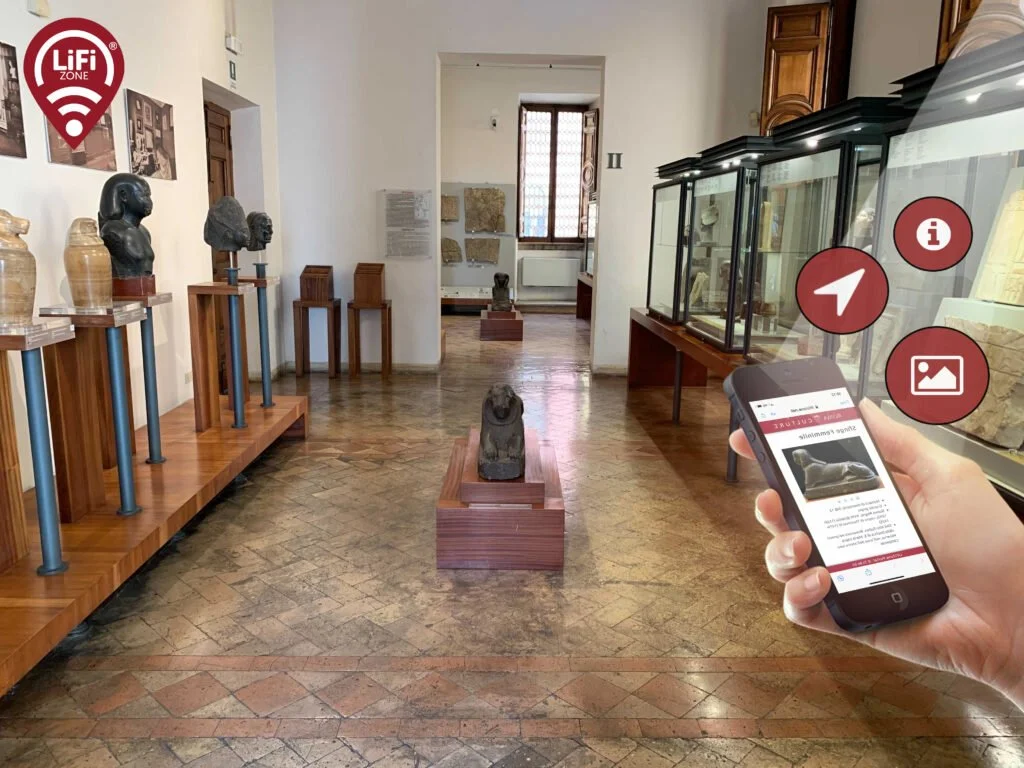
            Table of Contents

              Trialling Of LiFi Technology At The Museo Barracco De Escultura Antigua (Barracco Museum) In Rome

              Credit to To Be Srl

              The Museo Barracco De Escultura Antigua (Barracco Museum)

              The Museo Barracco di Scultura Antica is a museum in Rome, Italy, featuring a collection of works acquired by the collector Giovanni Barracco, who donated his collection to the City of Rome in 1902. Among the works are Egyptian, Assyrian, and Phoenician art, as well as Greek sculptures of the classical period.

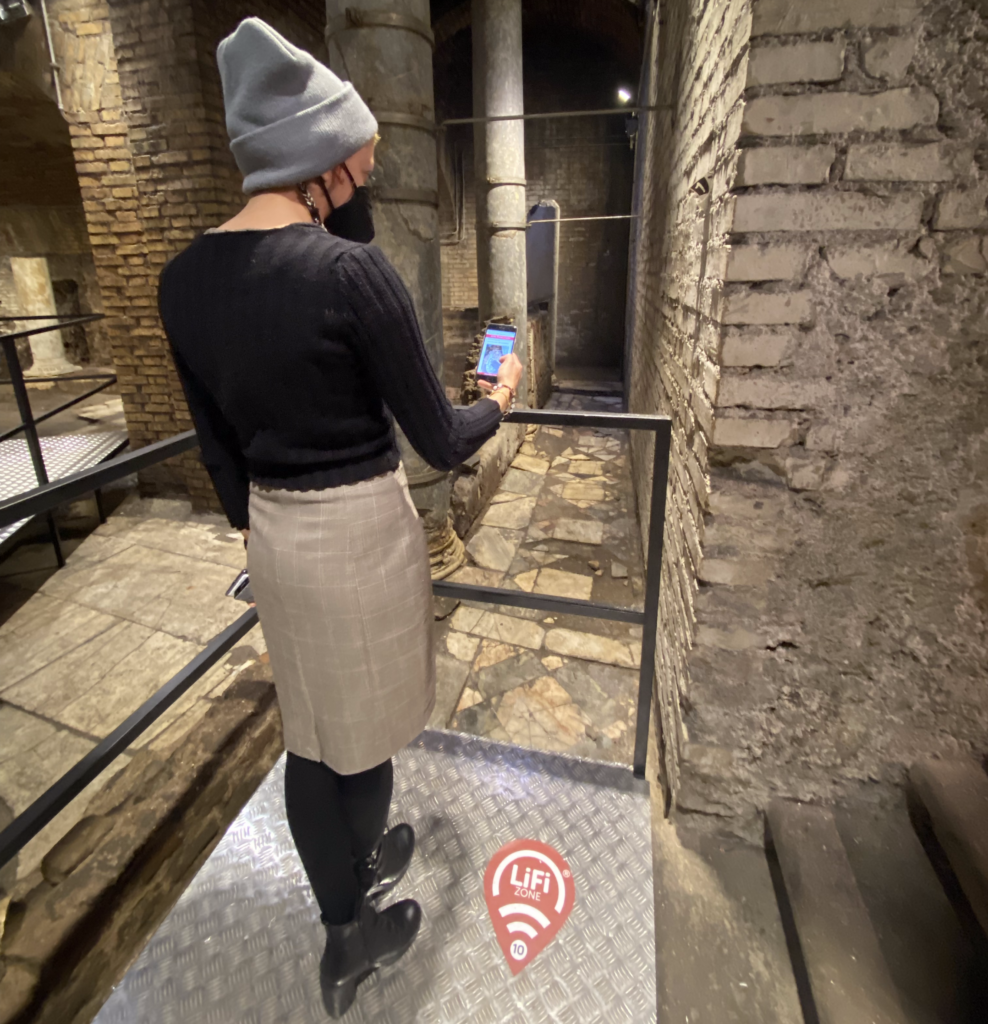
              Since the 6th January 2022, visitors have the opportunity to explore a selection of works displayed at the Museum collection with the use of LiFi technology, , a wireless technology using the light spectrum to transmit data. The LiFi systems were promoted by Roma Culture , Capitoline Superintendence for Cultural Heritage. and presented by the companies To Be Srl , DB Ingegneria dell ' image Srl and Tecno Electric Srl with the support of the European Union .

              The LiFi project is one of the 43 winners - out of 126 participants - of the “Business does Culture” call launched by the Lazio Region to promote, through the use of new technologies, the cultural heritage of Lazio.

              Credit to To Be Srl

              The Barracco Museum is among the first museums in the world to equip itself with the LiFi system , acronym for Light Fidelity . One of the most modern and innovative communication mechanisms that allows information and images to be transmitted wirelessly, by modulating the light, from special LED spotlights (transmitters) to the mobile devices of visitors equipped with cameras (receivers). To use the in-depth multimedia contents, compared to the ordinary tour route, simply download the appropriate App and place the smartphone or tablet under the light of the LiFi spotlight.

              Credit to To Be Srl

              A solution created with attention to 'non-traditional' modes of use: there is in fact a double mode of use, both for the sighted and the blind (or visually impaired), thanks to the use of audio tracks created from textual content.

              The technology can be tested at the Barracco Museum until February 20, 2022, with the possibility of an extension.

              The project was presented at today's press meeting, held at the Barracco Museum and moderated by Gianni Todini (Director of Askanews). After the welcome greeting by Maria Vittoria Marini Clarelli (Capitoline Superintendent of Cultural Heritage), the following intervened: Claudio Parisi Presicce (Director of Archaeological and Historical - Artistic Museums, Capitoline Superintendency for Cultural Heritage), Roberto Pollari (Head of Cabinet of the Regional Council of the Lazio); Francesco Paolo Russo (Founder & CEO of To Be Srl); Giancarlo Brasini (Project Manager DB Image Engineering); Alfonso Pecoraro Scanio (President of the UniVerde Foundation);Gabriele Ferrieri (President of ANGI - National Association of Young Innovators).

              Credit to To Be Srl

              The experimentation will involve a selection of 14 points of interest, of which 9 in the rooms on the ground floor and on the first floor and 5 in the so-called Roman House , dating back to its main structures documented in the 4th century AD and located in the basement of the museum, which reopens at public for the occasion after more than 20 years of closure . The discovery of the remains in the basement of the Barracco Museum is fortuitous and dates back to 1899, during the partial demolition of the Renaissance building, which has housed the Museum since 1948, created for the opening of the new Corso Vittorio Emanuele road axis.

              The domus , which has not been accessible to the public since 2000, will be extraordinarily open every day (except Mondays) until 9 January and, subsequently, until the end of February, only on weekends, from Friday to Sunday .

              The temporary reopening of the Domus , linked to experimentation, is only the first step in a broader and more complex project to enhance the site that will be developed in the coming months.

              The museum services are managed by Zètema Progetto Cultura .

              Credit to To Be Srl

              Article sources: https://tobe-srl.it/li-fi-e-musei-linnovazione-sostenibile-arriva-al-museo-barracco/

              https://www.teleambiente.it/progetto_lifi_presentato_museo_barracco_roma/

              What is LiFi?

              LiFi, also known as "Light Fidelity" is a wireless optical networking technology, which uses light-emitting diodes (LEDs) to transmit data. In 2011, professor Harald Haas made a LiFi demonstration at the TED (Technology, Entertainment, Design) Global Talk on Visible Light Communication (VLC).

              VLC uses light as a medium to deliver high-speed communication like Wi-Fi and complies with the IEEE standard IEEE 802.15.7. The IEEE 802.15.7 is a high-speed, bidirectional, and fully networked wireless communication technology-based standard similar to Wi-Fi's IEEE 802.11.

              How does LiFi work?

              LiFi is a high speed, bidirectional, and fully networked wireless communication of data using light. LiFi constitutes of several light bulbs that form a wireless network.

              When an electrical current goes through to a LED light bulb, a stream of light (photons) emits from the lamp. LED bulbs are semiconductor devices, which means that the brightness of the light flowing through them can change at extremely high speeds. The signal is sent by modulating the light at different rates. The signal can then be received by a detector that interprets the changes in light intensity (the signal) as data. Also when the LED is ON, you transmit a digital 1, and when it is OFF, you transmit a 0.

              LiFi Benefits

              The primary benefits of LiFi are as follows:

              Security: Provides entirely secure access. Where there is no light there is no data.

              Safety: Does not produce electromagnetic radiation and does not interfere with existing electronic systems.

              Localisation: Allows localisation due to the small coverage area of LiFi access point - localisation can be used for very precise asset tracking.

              Data density: Provides ubiquitous high-speed wireless access that offers substantially greater data density (data rate per unit area) than RF through high bandwidth reuse.

              Credit to Oledcomm

              LiFi Applications

              LiFi can be used for so many applications and the list is increasing every year. You can read our updated list of Li-Fi applications at the following link:

              https://www.lifitn.com/blog/2021/2/13/top-30-li-fi-applications-updated-list-including-potential-applications

              Credit to pureLiFi

              In conclusion, if you are also interested to hear more information about the OWNII Coin or enquire about LiFi devices such as the LiFiMax and Trulifi, you can contact us through our chatbot or by sending an email through our contact us form. If you enjoyed this post and would like to hear more updates about LiFi technology, subscribe to our newsletter. Don’t forget to subscribe to our social media accounts. You can also join our Telegram group about LiFi technology on this link:

              https://t.me/joinchat/FMzOmsEKyJFrU6Af