Credit to Allodocteurs
Oledcomm, one of the leading Li-Fi companies in the world, installed Li-Fi enabled led lights at the Emergency Hospital Centre of Perpignan in 2014. The hospital became the first worldwide hospital with Li-Fi spots in Perpignan. When a patient is admitted to the department and Dr Jean-Marie Bonnec, Emergency Department Head of Perpignan, wants to consult his medical file, he connects to a computer and the Internet. But the wireless connection is made without going through the Wi-Fi network. The wireless connection is made through a Li-Fi system.
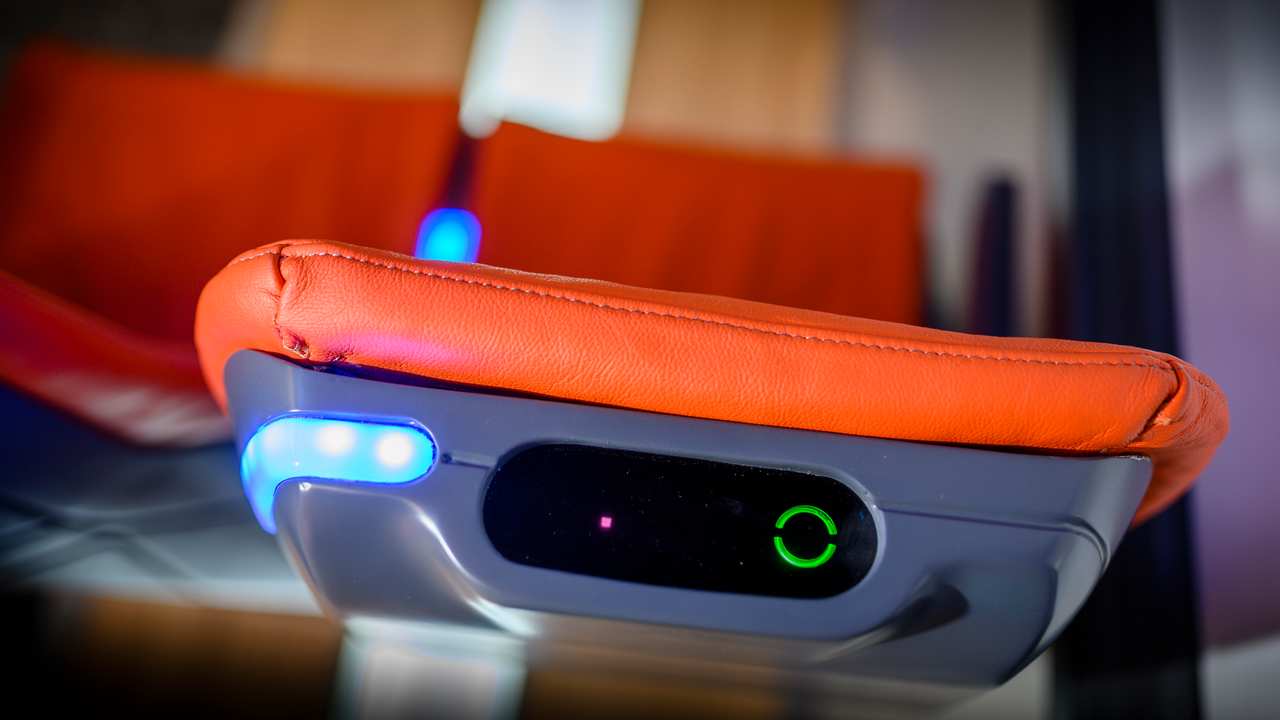
Dr Jean-Marie Bonnec stated: " To be mobile between rooms, we are connected in Li-Fi, it is a connection without waves using light waves, thanks to a luminous reception box which will hang the signal on luminous relay terminals which are in the hallway, ".
Li-Fi connection limits the exposure of patients and medical personnel to radio waves.
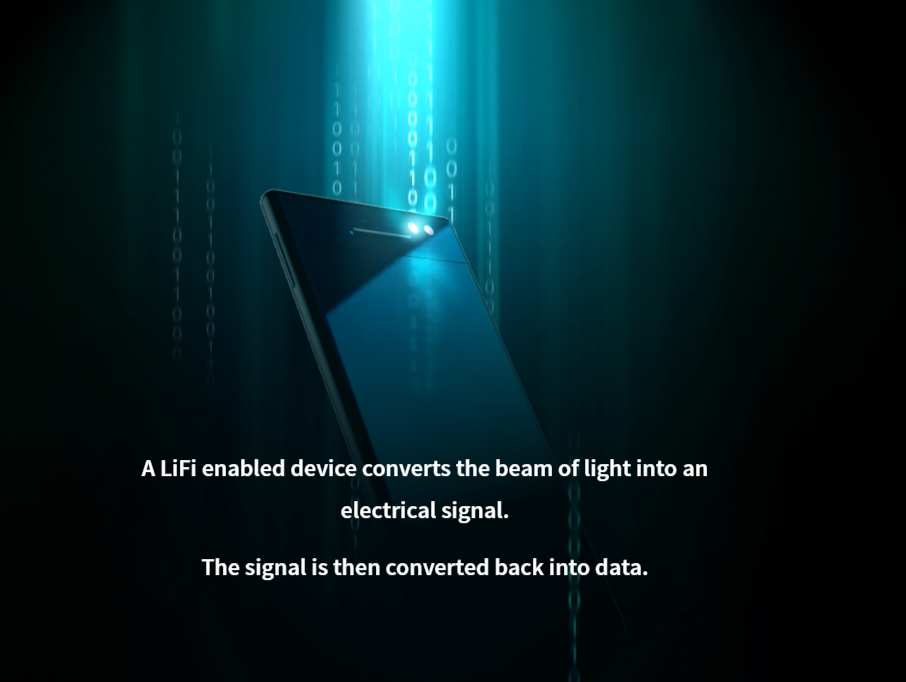
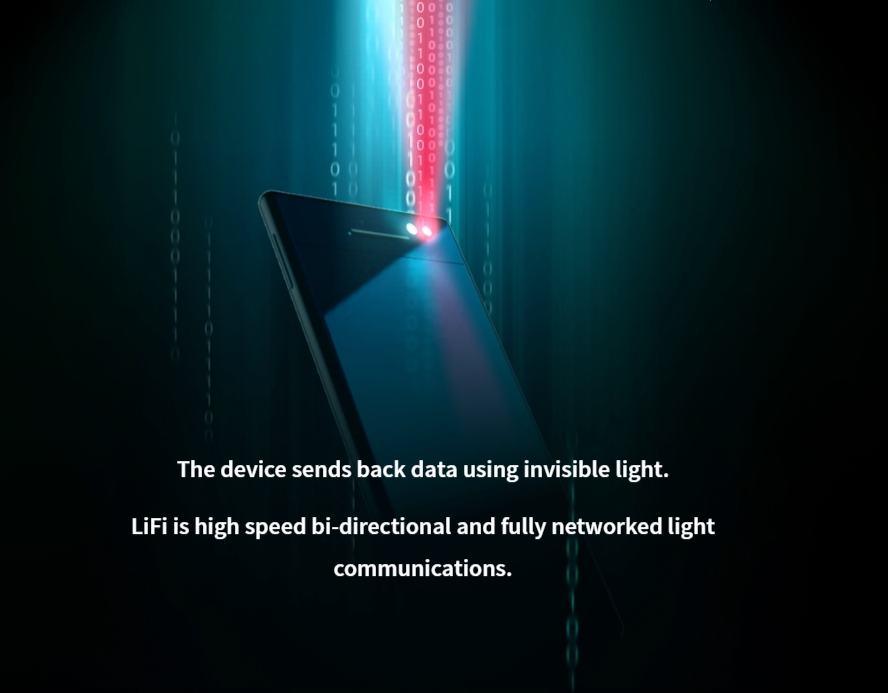
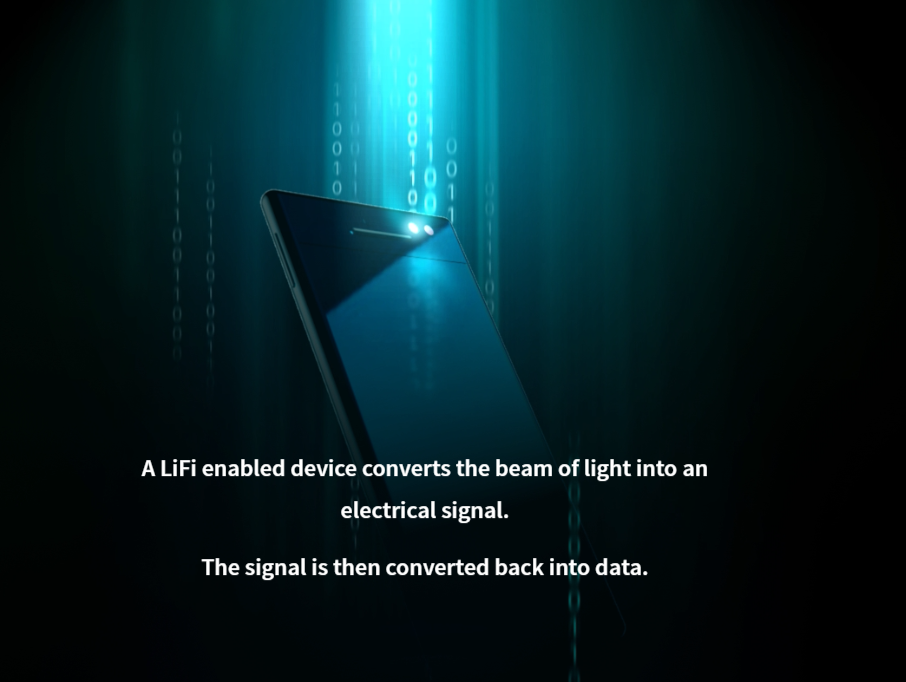
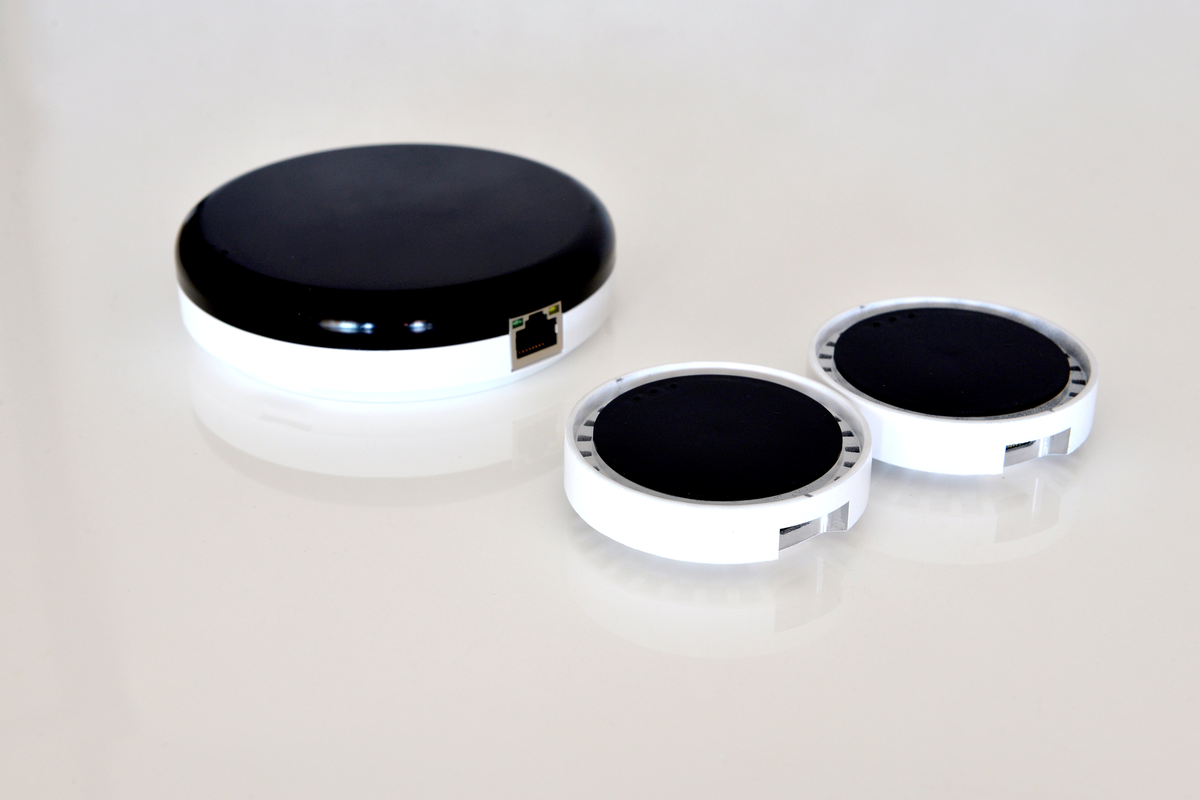
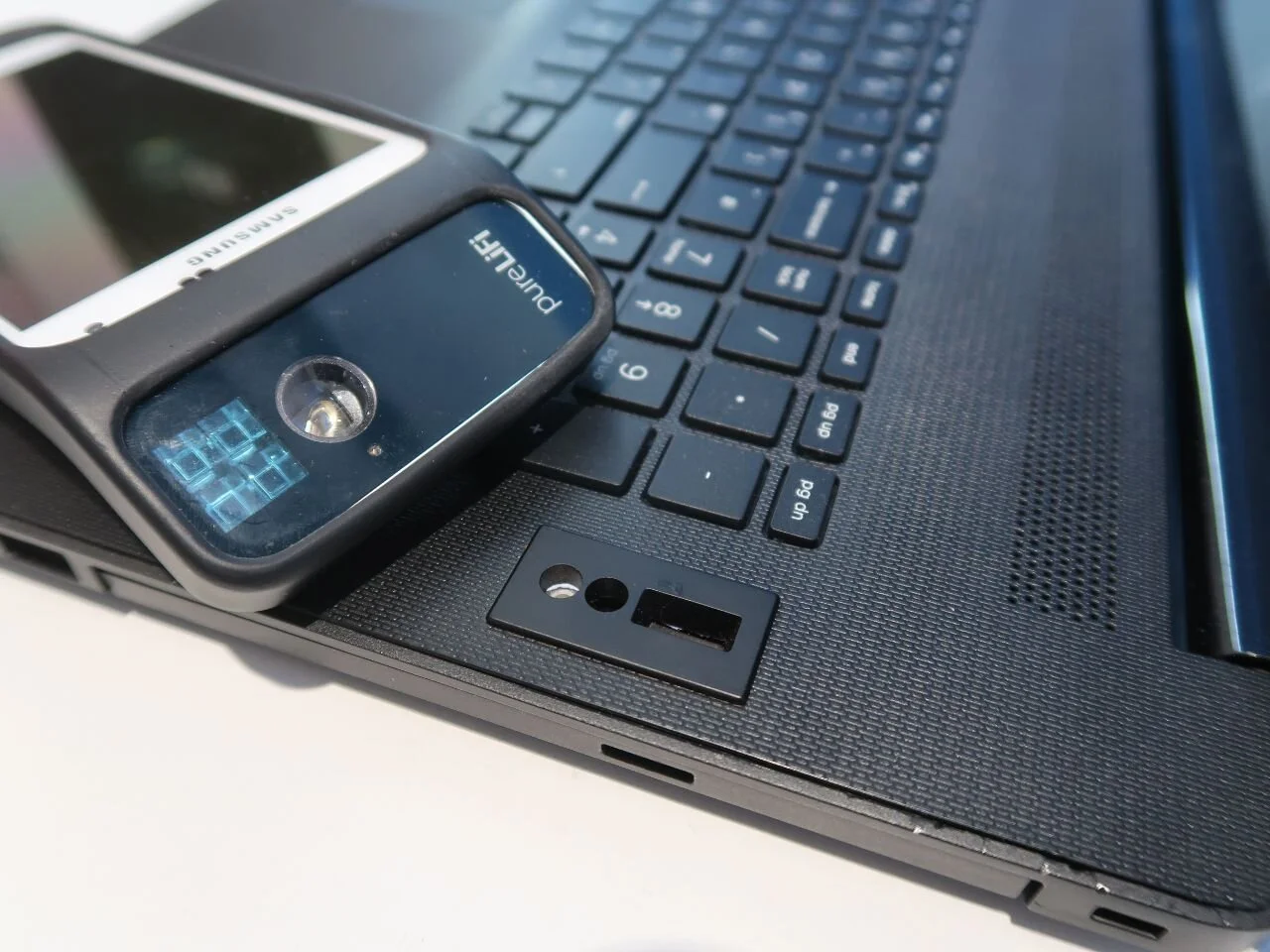
The Li-Fi technology uses LED light modulated to transmit information to a dedicated receiver that decodes the data on the computer, tablet or smartphone. The transmitter/receiver intercepts the flicker emitted by the bulb and imperceptible to the naked eye.
" We use a conventional box, we get the Internet through the telephone network, the Wi-Fi is off and we send the entire Internet connection through the electricity network to each lamp. The lamp will start to flash more than ten million times a second to transmit a video via Li-Fi, for example, to the laptop. Of course, ten million times, the human eye is unable to see these flickers, but the computer, smartphones, tablets they are capable, " said Suat Topsu, founder of a start-up that wants to meet the technical challenge of" Light Fidelity ".
Impressed by the concept of Li-Fi technology, the IT manager of the Perpignan hospital decided to gradually replace Wi-Fi with Li-Fi.
""In the area where we installed the Li-Fi, we measure 269 millivolts per meter of electromagnetic waves, which is well below the WHO recommendations of 600 millivolts per meter. We still have Wi-Fi, we measure 3 volts per meter, which is ten times higher than we had done in the area equipped with Li-Fi. Our goal is to suppress the waves technologies that allow us to improve the care and health of our users and also our staff because it remains 24/7 within the hospital", according to Vincent Templier, head of the IT department.
Li-Fi technology can also enable robots to deliver equipment and drugs to the departmental wards and different departments in the hospital.
Delivery Robots at St. Elizabeth Healthcare's hospital
A talking robot named Tug has begun making rounds at St. Elizabeth Healthcare's hospital in Fort Thomas, where it delivers medicine from the pharmacy to nursing stations.
John Giordullo, system director of pharmacy for St. Elizabeth, stated that "The Tug robot allows our pharmacy staff to focus squarely on the clinical and patient-centred parts of their jobs rather than the task of delivering medications through the hospital,"
A software system tracks medication delivery from the pharmacy.
"Tug has been very reliable, predictable and easy to use," said Benita Utz, vice president of nursing for the Fort Thomas hospital. "It has made our jobs as nurses more efficient and has eliminated calls to the pharmacy looking for medication deliveries."
Using a computer, a nurse can see precisely where Tug is at any time.
With the use of Li-Fi, delivery robots can use it to open doors and to call elevators, enabling him to reach all of the patient units in the hospital.
A map of the facility was loaded into the robot's internal computer, enabling Tug to navigate on his own. GPS isn't needed. The robot calculates its location through an odometry algorithm. Sensors, including a laser, detect known and unexpected obstacles, such as people in hallways.
To the amusement of visitors and staff, the robot has raised eyebrows. Powered by an electric motor, the robot rolls along on wheels. It yields to visitors and staff.
When he encounters people, “he announces himself,” Guy Karrick, a spokesman for St. Elizabeth, said. “He’s got a computer-activated voice, the same as if you turn your GPS on in your car.”
The robot also speaks in other circumstances. “Approaching elevator, please stand aside,” Tug says. “Waiting for doors to open.”
Li-Fi based voice-controlled robots are slowly introduced in industries. These robots are used to avoid any accidents that occurred because of workers mistakes. The voice-controlled robot is one of them. By using this robot, workers can control the movements of the robot. The instructions of this operator are transmitted toward robot through Li-Fi technology as such surgical robots can also be implemented.
Li-Fi Motol University Hospital
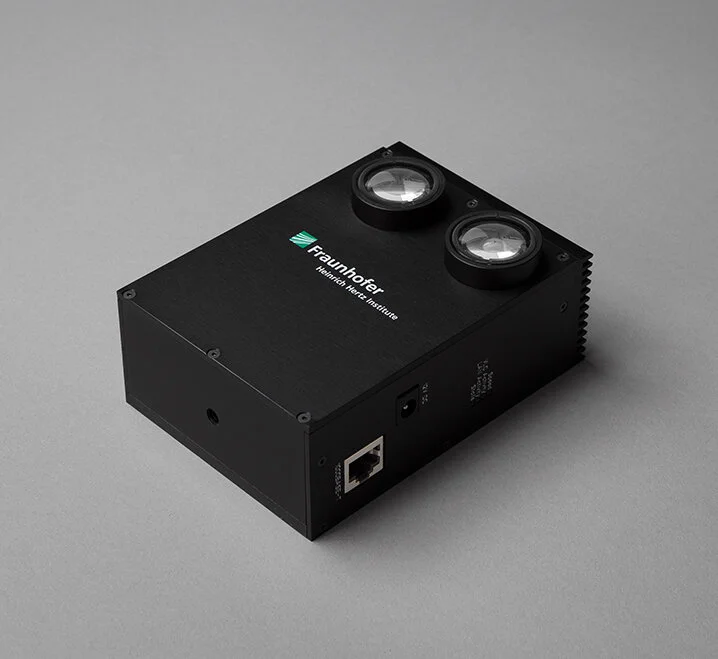
From a recent article from the IEEE Spectrum, a team of researchers installed multiple Li-Fi transmitters and receivers in a neurosurgery operating room at Motol University Hospital in Prague. In a series of tests, the Li-Fi system managed to transfer data quickly and without complete signal loss. Data transmission rates of up to 600 megabits per second were achieved.
Prior to this work, “there was no experimental study happening in a medical scenario for Li-Fi,” stated Sreelal Maravanchery Mana, a lead author and researcher at HHI. “This is the first time we are doing realistic measurements in a medical environment.”
Li-Fi is not perfect wireless communication technology. While it doesn’t face interference from other medical devices, it can still be interrupted. Unlike Wi-Fi’s radio frequencies, which can go through walls, optical light is easily blocked by humans or objects. To get around this issue, the HHI researchers used four transmitters and six receivers around the operating room, for a total of 24 channels between transmitters and receivers.
“Even if 23 of those channels are blocked, you still have one and you can have a very robust communication,” says Dominic Schulz, a researcher at HHI. During an operation, it’s possible doctors or nurses could block some of the links between transmitters and receivers by walking between them. The team plans to continue testing different Li-Fi setups in hospitals, and eventually use the technology to transmit data to medical devices being used during actual surgery.
3. Li-Fi in Pharmacies and the Pharmaceutical Industry
In hospital pharmacies and specifically in aseptic manufacturing sites, Li-Fi could be used by pharmacists for receiving and screening electronically approved prescriptions directly in the unit. Li-Fi can be used for real-time tracking of prescribed aseptic drugs like cytotoxic drugs, Parenteral drugs and centralised intravenous additive services (CIVAS) in the unit and nurses and other healthcare professionals from the ward can check the status without the need of calling or going directly to the aseptic unit.
Automation, including automated inspection and packaging, is becoming an increasingly important part of pharmaceutical manufacturing. The many benefits of automation include efficiency, saving workers from hazardous environments or repetitive tasks, reducing training overhead, eliminating human error, increasing repeatability and reproducibility, and in cleanrooms, removing the potential for human contamination.
Through Li-Fi, the access and sharing of patient records will be done in a convenient, faster and very secure manner. For pharmacy dispensaries, Li-Fi could be used by patients to check the real-time status of the prescriptions on their smartphones or pharmacy terminals while waiting to collect their scripts.
Li-Fi can enable data loggers to remotely monitor an environment with periodic data uploads using Li-Fi network without the need of being collected to a PC. Through the Li-Fi system, the data can be collected from any Li-Fi enabled device.
In 2001, the Audit Commission's "Spoonful of sugar" report advocated the use of automation to transform pharmacy services and, since then, many UK hospitals installed dispensary robots. Pharmacy robots have been demonstrated to reduce the incidence of dispensing errors, improve the speed and efficiency of the dispensing process, and optimise the use of space in the pharmacy.
In the UK, the use of robots use in community pharmacies is still limited. However, robots have the potential to handle high volumes of dispensing in community pharmacies or dispensing "hubs", and to release pharmacists to develop and deliver patient-centred services. Li-Fi can enable robots in pharmacies to communicate with staff and other IT systems, delivery of drugs, stock pilling shelves and many more.
As newer, smaller and more efficient machines become available, robot use in all sectors of pharmacy is likely to increase. In addition to that, automated methadone dispensing machines (e.g., Methameasure, Methadose) offer accuracy and efficiency in the laborious methadone dispensing process, and their use will likely increase, too, especially in pharmacies with a high volume of methadone dispensing. Li-Fi will be on the one of the wireless communication technologies that will enable robots to perform their tasks effectively and communicate with other systems and robots.
The Internet of Things (IoT) is currently impacting many industries, including the pharmaceutical industry. Pharmaceutical production processes have to be well-documented to establish and maintain consistent regulatory compliance.
Li-Fi technology can enable pharma IoT connected devices to continuously send data at a very high transmission rate to a server to establish that quality standards are met, which will effectively decrease the amount of manual paperwork and potential margin for error.
4. Li-Fi in the Workplace
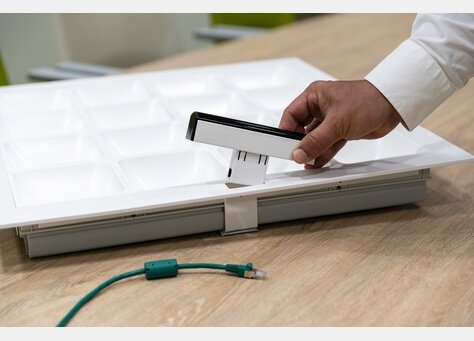
Li-Fi will not offer illumination but secure wireless connectivity in workspaces. As well as the networking capability, people will be able to take a Skype video conference call and move from one room to another without that conference call being interrupted. Workers and visitors will have a constant internet speed connection from the Li-Fi networks in the workspace. Through light, network access can also be controlled more effectively. For example, the overhead lighting in an office can provide access to the guest network, while desk lamps can provide access to specific parts of a corporate system with access rights assigned on a desk-by-desk basis.
Philips Lighting's LiFi-enabled LEDs are currently being trialling Li-Fi technology in real-estate company Icade's office in La Defense, Paris.
Emmanuelle Baboulin, head of the company's commercial property investment division said: "LiFi has the potential to be a real game-changer in offices. As the leader in our market, we wanted to explore the possibilities of this technology for existing and future clients." "We plan to showcase the technology in our smart office in La Defense, so aside from stable connectivity, the light quality is crucial to us," he added.
Li-Fi in a meeting room at CKR Law Firm in Paris
Philippe Pradal, a lawyer at CKR Law Firm in Paris, said the following about Li-Fi:
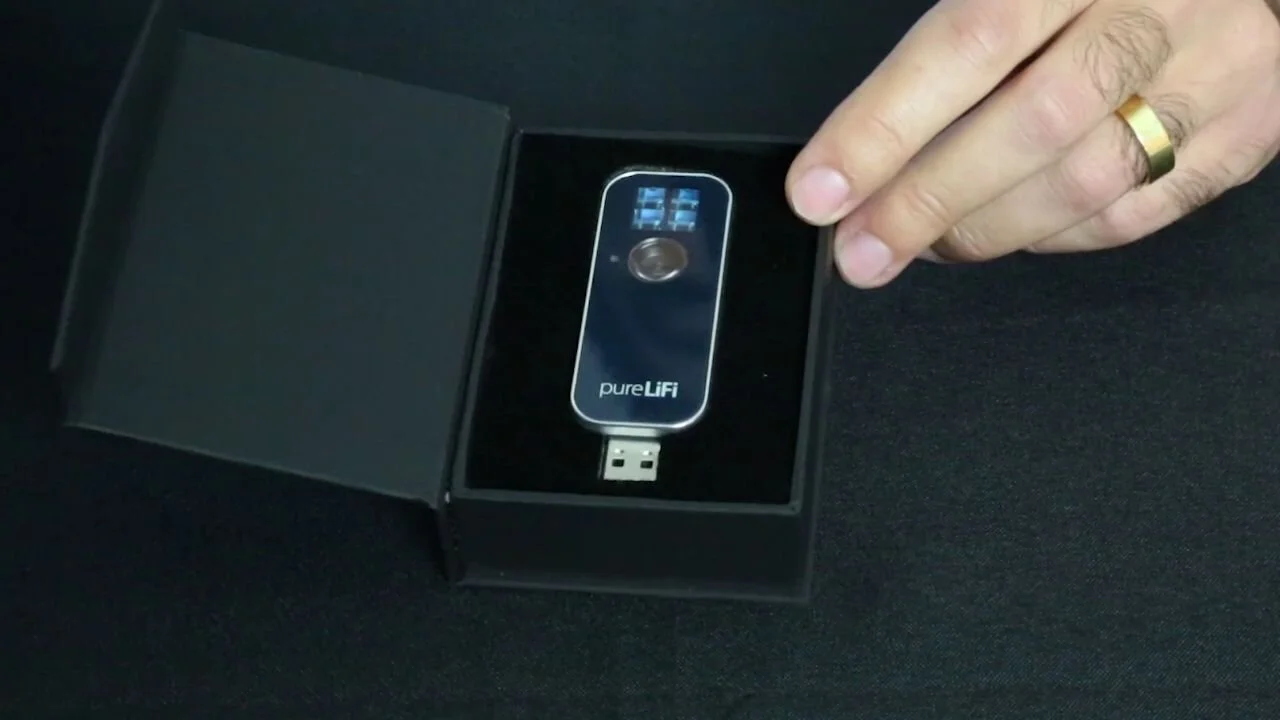
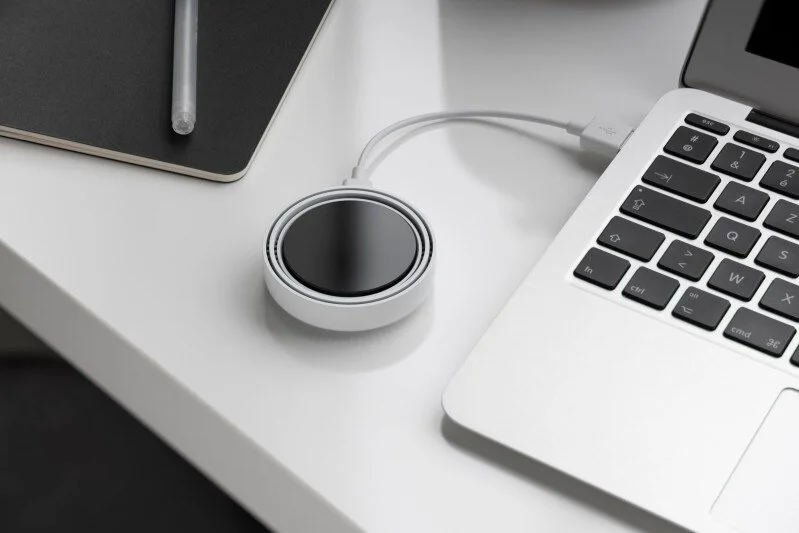
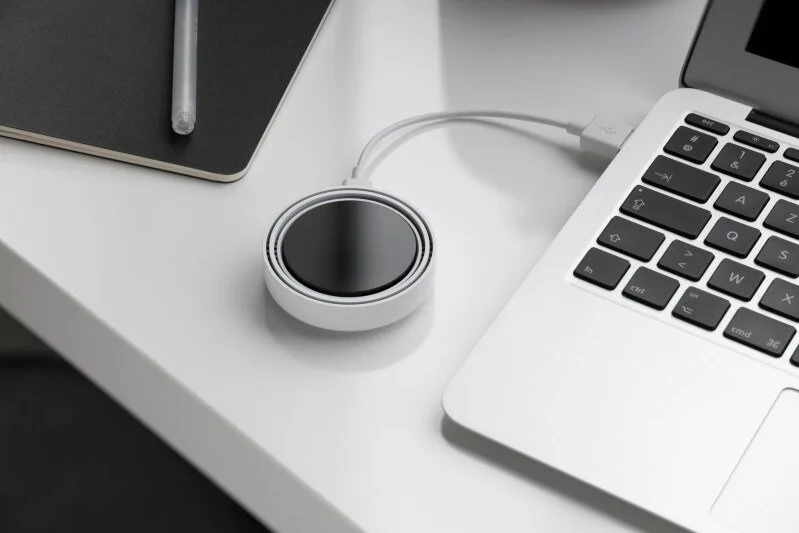
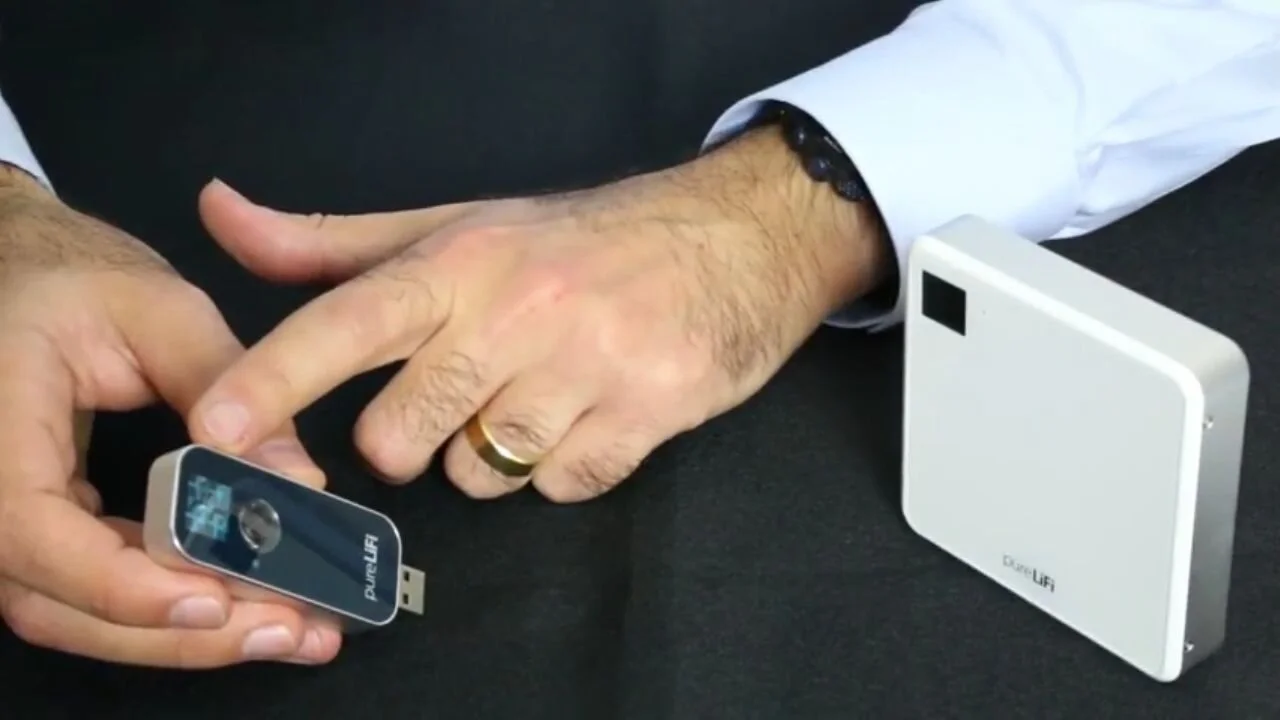
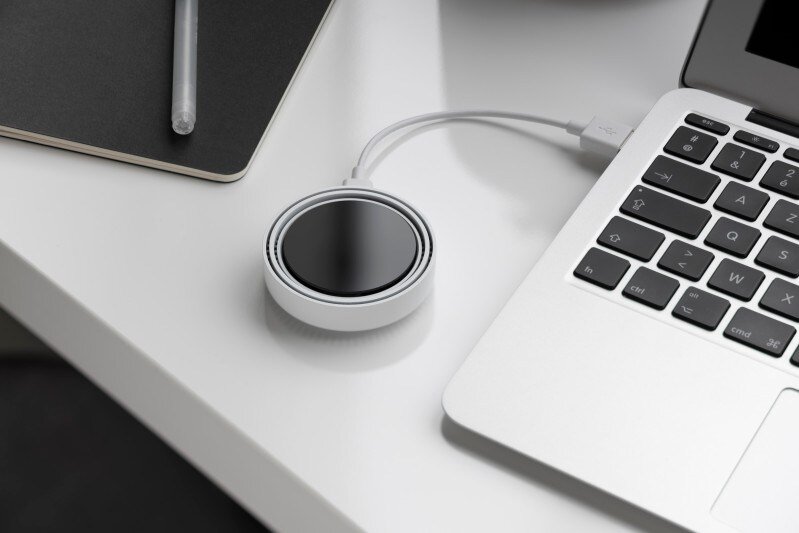
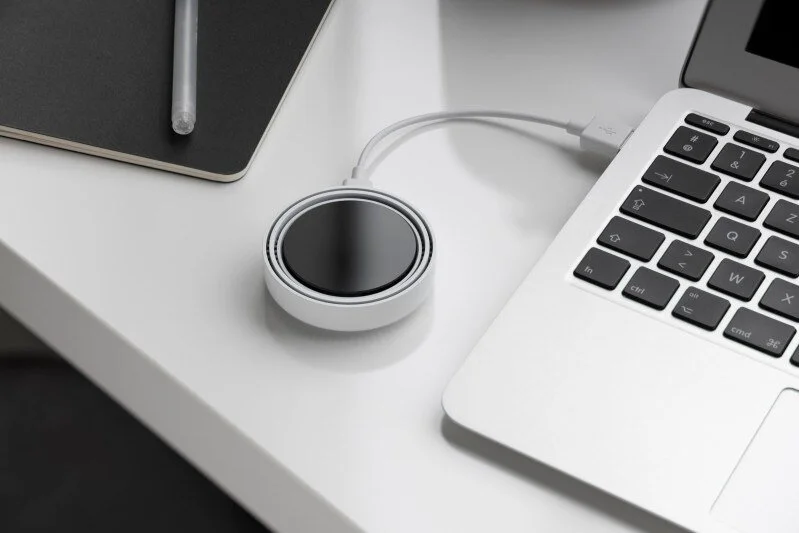
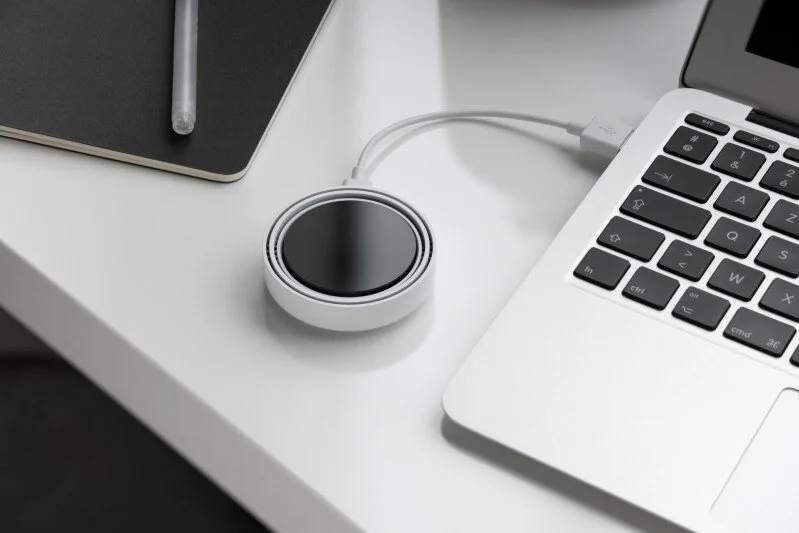
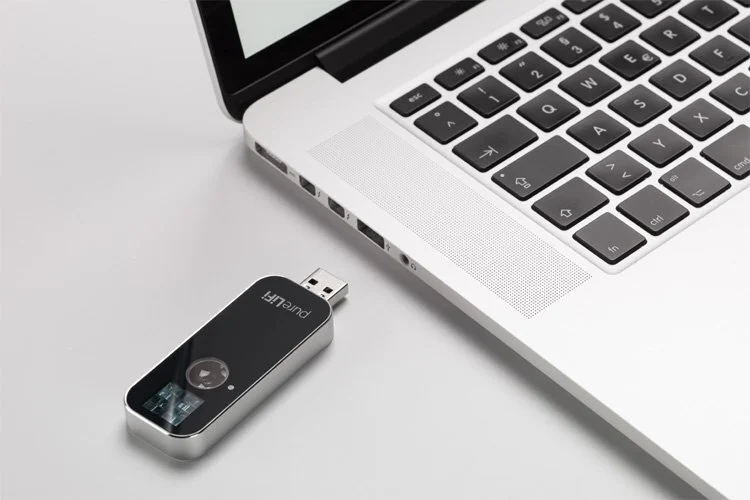
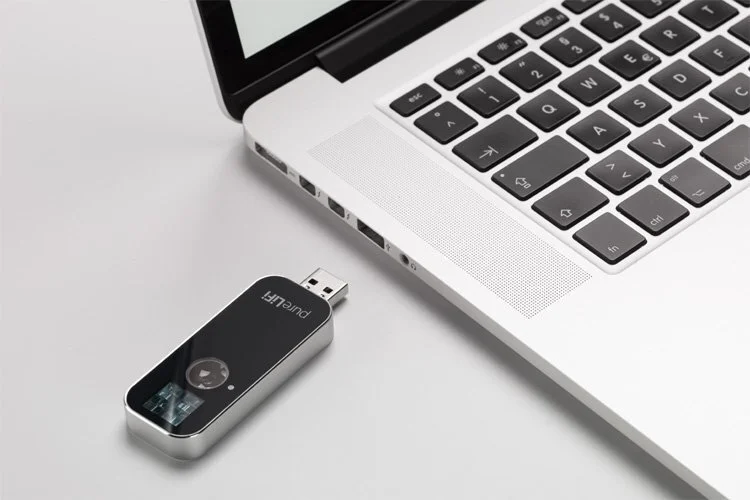
“Well, in our law firm, we're very concerned about the security of the data that we use, because we have, we handle a lot of sensitive data, the data of our clients, but also as a strategy that over matters. We don't want the hijack or hack through a Wi-Fi connection. And nowadays, Wi-Fi has been broadly used and people know how to penetrate a Wi-Fi network. So for us, it's very important to be able to offer to our associates, our clients, and our partners, a secured solution to access wirelessly our data, a 100% security. So we have equipped our meeting room with Li-Fi technology, and we're very happy with it. It's very simple to use and very secure. So the pretty basic principle is pretty simple. We have a receiver that is plug and play and people coming in with their computers or wherever with their phone, have to plug the receiver in their device, and they will receive the Li-Fi technology connection within the room. If they unplug, they don't have access to the internet. If they go outside the room they don't have access to internet. In other words, you know exactly who has access to what and when Li-Fi technology has two other main advantages. Maybe the first one is the fact that it is radio frequency free. That means basically that you can use it in areas where you have particular sensitivities. The second is vibrates allows you to exchange data at very, very fast speed solutions we have, for example, we already moved. It allows us to exchange about 200 megabytes per second, and we're very proud to be one of the first law firm equipped with Li-Fi technology.”